


Thick Skin and Bulbous Tip Rhinoplasty in Turkey
Rhinoplasty on thick skin, especially with a bulbous nasal tip, presents unique challenges and expectations. Patients with thick skin often notice that post-surgical results take longer to become visible due to prolonged swelling. Early swelling can obscure the refined structure beneath, making the healing journey appear slower compared to those with thin skin.
A bulbous tip on thick skin typically requires cartilage reshaping and tip definition techniques that encourage better contour over time. Revision rhinoplasty may be needed in cases where the original structure is not sufficiently defined or if healing causes unexpected outcomes. Ethnic rhinoplasty also considers these nuances, respecting natural features while enhancing the nose’s harmony.
Swelling stages in thick skin rhinoplasty generally extend up to a year or more. The first few months show the most swelling, particularly in the tip area. Before and after photos often reveal dramatic improvements, but patience is essential. Comparing thick vs. thin skin outcomes highlights the need for realistic expectations and a personalized approach.
Ultimately, with proper technique and follow-up care, rhinoplasty for thick skin can yield refined, natural-looking results—even for those with wide noses, bulbous tips, or ethnic features.
Case Studies



Overview of Thick Skin and Bulbous Tip Rhinoplasty in Turkey

Anesthesia
General

Duration
3-4 hours

Hospital Stay
1 Day

Hotel Stay
7 Days

Recovery Time
6-12 months

Back to Work
1 Week
What Is Rhinoplasty for Thick Skin?

Thick-skinned rhinoplasty is a surgical procedure customized for patients with thick nasal skin. Thick skin can make it difficult to shape the underlying cartilage structure, so surgeons use techniques that enhance cartilage support to achieve better definition of the nose. Additionally, thinning the subcutaneous soft tissue layer can improve nasal reshaping results. Corticosteroid injections can be applied postoperatively to reduce swelling and scar tissue formation. For acne-prone skin, medications like isotretinoin can control sebum production and accelerate the healing process. Such FDA-approved drugs play an important role in increasing the success rate of the surgery and offer treatment plans suitable for patients’ skin types.
How Is Thick-Skinned Rhinoplasty Performed?

Thick-skinned rhinoplasty requires special techniques due to the challenges posed by thick skin tissue. This type of rhinoplasty involves both strengthening the nasal structure and thinning the subcutaneous tissues. Because thick skin retains more swelling and conceals fine contours compared to thin skin, surgeons apply various strategies to enhance the structural integrity of the nose.
Techniques used in thick-skinned rhinoplasty include:
- Cartilage grafts
- Structural support with sutures
- SMAS thinning
- Triamcinolone injections
- 5-fluorouracil (5-FU) therapy
These techniques are used to overcome the limitations posed by thick skin and to achieve a more defined nasal shape. SMAS thinning is performed by carefully removing the thick subcutaneous tissue, aiming to allow the skin to conform to the new nasal structure. Cartilage grafts are used to make the nasal tip and dorsum more prominent.
Postoperative management is a critical phase for patients with thick skin. Steroid injections may be applied over an extended period to minimize swelling, scar tissue formation, and the risk of deformity. Additionally, patients with acne-prone skin may be recommended isotretinoin therapy before and after surgery. This treatment controls sebum production, reduces inflammation, and contributes to achieving more successful results. Thick-skinned rhinoplasty can yield successful outcomes with the right surgical techniques and a careful healing process.

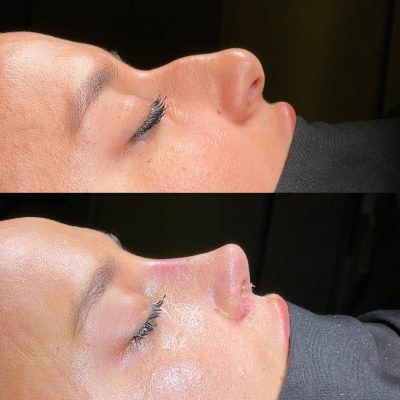
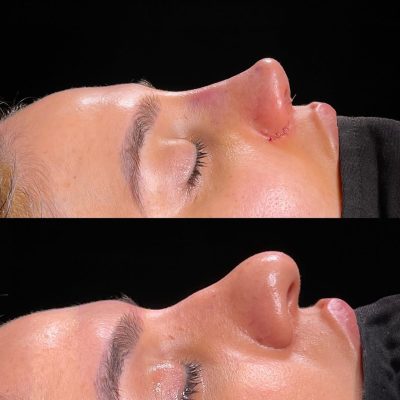
Thick Skin and Bulbous Tip Rhinoplasty in Turkey Before & After


When Is Thick-Skinned Rhinoplasty Performed?
Thick-skinned rhinoplasty is a surgical procedure performed to correct aesthetic and functional issues in individuals with thick, oily, and often acne-prone nasal skin. The most common reasons for performing rhinoplasty in thick-skinned individuals include an undefined nasal tip and lack of nasal shape definition. These conditions usually arise due to weak cartilage support and the thickness of the skin. When the nasal tip is not supported by strong cartilage, problems such as a “pollybeak” deformity can occur.
Thick-skinned rhinoplasty is preferred in the following situations:
- Nasal tip bulbosity
- Poor tip definition
- Ill-defined nasal structure
- Thick, oily skin
Thick skin makes it difficult to easily achieve the desired contour after surgery. In such cases, surgeons utilize cartilage grafts to enhance the structural support of the nose and improve aesthetic results. Additionally, due to the heavy nature of the skin, additional support is provided to the nasal framework to prevent potential drooping of the nasal tip over time. Moreover, preoperative and postoperative skin care is of great importance. Isotretinoin therapy is often applied to reduce sebum production, control acne, and minimize swelling.

Who Is Not Suitable for Thick-Skinned Rhinoplasty?
[arve url=”https://www.youtube.com/watch?v=jZ5PhYR6lCA” /]Thick-skinned rhinoplasty may not be suitable for every patient. Due to the challenges posed by skin type, some patients are not considered suitable candidates for surgery. In thick-skinned patients, the risk of complications during the healing process may increase, and achieving the desired results can be difficult. Therefore, contraindications for thick-skinned rhinoplasty should be carefully evaluated.
Unsuitable candidates include:
- Those with active skin diseases
- Those who have recently used isotretinoin
- Individuals with impaired blood circulation
- Those with high unrealistic expectations
- Individuals with significant skin inflammation
For patients with thick skin, the postoperative healing process may be longer, and due to the structural characteristics of the skin, the results may not be as pronounced as desired. Additionally, scar tissue formation and healing issues that can occur with this skin type may affect long-term outcomes. To minimize the risk of inflammation and infection, it is important for patients to optimize their skin health before rhinoplasty.
From a psychological perspective, patients should have realistic expectations regarding rhinoplasty results and be informed about the limitations of their skin type. It is especially important for the surgeon to address this situation properly and discuss it in detail with thick-skinned patients who have expectations of a prominent nasal tip reshaping.
How Is Thick-Skinned Rhinoplasty Applied?

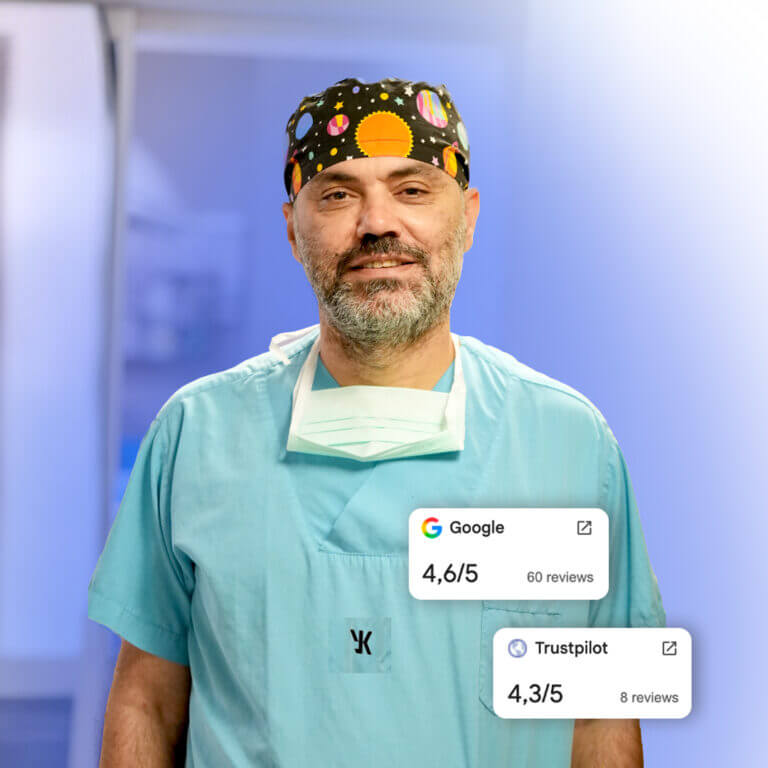
- Dr. Yunus Kaplan during rhinoplasty surgery in Istanbul, Turkey

Thick-skinned rhinoplasty requires a special approach due to the potential of thick skin to affect surgical outcomes. Surgeons use various techniques to minimize the impact of thick skin on shaping and to optimize the healing process. The steps followed in the surgical process for thick-skinned patients are generally different from traditional rhinoplasty procedures and require personalized planning.
In the preoperative preparation phase, a treatment regimen for skin care is applied. At this stage, the following products are used:
- Salicylic acid
- Benzoyl peroxide
- Tretinoin creams
For patients with more severe skin problems, oral isotretinoin therapy may also be applied. However, this treatment is discontinued before surgery.
When it comes to the surgical process, surgeons usually prefer the open rhinoplasty approach. This method provides the surgeon with more control and visibility, making it easier to perform the manipulations necessary for thick-skinned noses. Cartilage grafting is also a common technique to enhance tip definition and support the structure. These grafts are strategically placed to reduce the risk of thick skin masking the nasal shape.
Especially to improve the contour of the thick skin around the nasal tip, careful thinning can be performed. Additionally, complications are minimized by using sutures and additional grafts to prevent the formation of dead space.
What Are the Side Effects of Thick-Skinned Rhinoplasty?
Thick-skinned rhinoplasty has a higher risk of complications compared to other types of rhinoplasty due to the thickness of the skin. Thick skin can retain fluid, which may prolong the healing process. Additionally, problems affecting aesthetic results, such as internal scar tissue formation and skin deformities, may occur. Commonly observed postoperative side effects are listed below:
- Long-term swelling
- Scar tissue formation
- Pollybeak deformity
- Skin discoloration
- Risk of necrosis
- Difficulty breathing
- High need for revision
How Successful Is Thick-Skinned Rhinoplasty?
In patients with thick skin, the success rates of rhinoplasty may be lower compared to thin-skinned patients due to the challenges arising from skin characteristics. Thick skin can mask the newly shaped nasal structure, making it especially difficult to achieve a defined result at the nasal tip. However, it is possible to overcome these challenges and achieve positive results with appropriate surgical techniques and careful postoperative care.
Some factors affecting success:
- Thick skin structure
- Prolonged edema
- Excess subcutaneous soft tissue
- Insufficient definition of underlying structures
- Risk of pollybeak deformity
Techniques to increase success:
- Use of structural support grafts
- Soft tissue thinning methods like SMAS debulking
- Postoperative corticosteroid injections
- Low-dose isotretinoin use
Considering these factors, it is stated that success rates in thick-skinned patients can vary between 70-85%. Postoperative steroid injections and skin care can be effective in preventing complications such as prolonged swelling and scar tissue formation. The high rate of revisions emphasizes that the surgical process needs to be managed more carefully in such patients.
How to Prepare Before Thick-Skinned Rhinoplasty?
Preparation before thick-skinned rhinoplasty is a critical step in achieving successful results. Thick nasal skin creates additional challenges for surgeons; therefore, it is necessary to prepare the skin in the best possible way for surgery. Preoperative skin care, hydration, and necessary supplements, along with informing patients about the process, are important.
- Salicylic acid-based cleanser
- Benzoyl peroxide-based cleanser
- Tretinoin (retinoid) application
Preoperative care to improve the skin tissue of thick-skinned patients can be effective in reducing scar formation and prolonged swelling. Adequate hydration should be ensured, and vitamin C supplements should be taken to support healing. Additionally, short-term isotretinoin therapy may be recommended for some patients, but this treatment should be discontinued one week before surgery.
In preoperative consultations, surgeons should clearly explain to the patient the challenges posed by thick nasal skin and possible complications. The time for surgical results to emerge may be long; therefore, patients should have realistic expectations. Finally, surgeons may plan to use cartilage grafts to make the nasal structure more durable and to preserve the nasal shape. Skin thinning procedures should also be applied carefully.

Healing and Swelling Stages After Rhinoplasty for Thick Skin and Bulbous Tip

Postoperative care after thick-skinned rhinoplasty plays a critical role in ensuring the healing process occurs most efficiently and in optimizing results. Some key points to pay attention to during this process are:
- Applying ice during the first 48 hours
- Keeping the head elevated during sleep
- Reducing sodium intake
- Low-dose steroid injections
- Use of 5-Fluorouracil (5-FU)
- Low-dose Accutane for acne-prone patients
- Regular and effective skin care
- Controlling physical activities
Patients need to consider certain situations during the healing process. It can usually take a long time for the skin to adapt to the new nasal structure during recovery. Therefore, the patient should be patient and avoid any physical strain that could negatively affect the healing process. Additionally, it is important to make progress through regular check-ups with the specialist physician and to detect possible complications in advance. By paying attention to the specified care instructions, the patient can increase the chance of achieving the best results. During this period, paying attention to nutritional habits can support healing and positively affect skin health.
How Much Does a Thick-Skinned Nose Rhinoplasty Cost in Turkey Compared to the US and UK?
Thick-skinned nose rhinoplasty in Turkey typically costs between $6,000 and $7,000, with specialized techniques used to define nasal structure while preserving skin integrity. Skilled surgeons in Turkey are experienced in managing challenging skin types. In the United States, the same procedure ranges from $12,000 to $22,500, while in the United Kingdom it generally falls between £10,500 and £18,000, offering considerable savings without compromising surgical quality.
Frequently Asked Questions
What are the challenges of rhinoplasty in patients with thick skin?
Rhinoplasty in patients with thick skin presents challenges such as reduced visibility of underlying structural changes, prolonged healing time, and postoperative swelling. The limited elasticity of thick skin can lead to a widened nasal tip and fullness in the nasal bridge. Surgeons often use additional cartilage grafts to enhance structural support and may prescribe preoperative treatments like isotretinoin to reduce seborrhea. Postoperative care may include corticosteroid injections and nasal taping to manage swelling and help the skin conform to the new nasal structure. It is crucial to inform patients that the aesthetic outcomes may not be as defined as those seen in individuals with thin skin.
How is a natural look achieved in thick-skinned noses?
To achieve a natural appearance in rhinoplasty for thick-skinned patients, surgeons typically use structural rhinoplasty techniques, which involve cartilage grafts and precise suturing methods to create a more defined nasal tip and bridge. Proper shaping of the underlying support structure is essential, as placing a smooth framework under thick skin can give the impression of a thinner skin. Postoperative care plays a significant role in the healing process; adhering to instructions for nasal hygiene, wound care, and medication use is vital for achieving natural results.
Is the recovery time longer than other types of rhinoplasty?
Yes, recovery time for thick-skinned rhinoplasty patients is generally longer. While patients with thin skin may heal within 6 to 12 months, those with thick skin may require 12 to 24 months for full recovery. This extended timeline is due to prolonged swelling and the skin’s difficulty adapting to the new nasal structure.
How long does swelling last after surgery?
Swelling after rhinoplasty for thick-skinned patients typically subsides within 6 to 12 months, but minor residual swelling can persist for up to 18 to 24 months. Swelling in the nasal tip is often the last to resolve. Treatments like corticosteroid injections may be used to accelerate the healing process. Keeping the head elevated, applying cold compresses, and following the surgeon’s recommendations for medications are essential for managing swelling. Recovery times can vary among individuals, making ongoing communication with your surgeon crucial.
What techniques are preferred for thick-skinned patients?
For thick-skinned rhinoplasty patients, surgeons often prefer techniques such as open rhinoplasty for better visibility, tissue reduction to remove excess nasal skin, and the use of grafts to support the nasal skeleton. Preoperative measures like retinoic acid derivatives may be used to improve skin quality. Postoperative care frequently includes corticosteroid injections to reduce swelling and minimize scarring.
How long does it take for a thick‑skinned nose to settle?
In thick‑skinned noses the post‑surgery healing period can be longer. It generally takes about 1 to 2 years for the nasal tissues to stabilise fully and for the final shape to become apparent. Although this timespan is shorter in thin‑skinned noses, thick skin retains more oedema, so swelling subsides more slowly. During the first few months the nose may look puffy, but these effects diminish over time and the shape becomes clearer. The surgeon’s techniques and the patient’s skin characteristics directly influence recovery. In thick‑skinned patients the skin adapts to the cartilage framework more slowly, and the surgical result shows later. Regular check‑ups, protecting the nose from trauma and following the recommended care routine help the final result look healthier and more natural.
How can you tell if you have a thick‑skinned nose?
To identify a thick‑skinned nose, examine the properties of the skin tissue. People with thick nasal skin often have a tip that appears more prominent and heavy. The pores on the nose may be larger, and the skin surface can be oilier. Because thick skin produces more swelling after rhinoplasty, the healing period may be longer. The surgeon evaluates nasal‑skin thickness before surgery. If the skin is very thick, tip details may be less defined and the surgeon must adapt techniques accordingly. As skin structure is unique to each person, every patient requires an individual approach and the surgical plan is prepared on that basis.
When does swelling subside in a thick‑skinned nose?
In thick‑skinned patients postoperative swelling generally lasts longer. Swelling is pronounced during the first few weeks but gradually decreases. On average, most oedema resolves within 3 to 6 months, yet full recovery and definition of the final shape can take up to a year. In thin‑skinned patients this period may be shorter because thin skin adapts more quickly and swelling resolves faster. Following the doctor’s advice speeds the process: avoiding salty food, keeping pressure off the nose and applying massage techniques correctly help oedema diminish sooner. Cold compresses can also reduce swelling, but they should be used only at the times and in the manner recommended by the surgeon.
How does skin thickness affect rhinoplasty?
Skin thickness is one of the factors that directly influence rhinoplasty results. In thin‑skinned noses, cartilage details show more clearly and the nose can have sharper contours. In thick‑skinned noses, the skin covers the cartilage structures more, so tip details take longer to appear. Healing also takes longer and swelling subsides more slowly. Therefore the surgeon must tailor surgical techniques to the patient’s skin type. Careful planning is essential to ensure the nasal shape harmonises with facial features. The surgeon’s experience and the chosen techniques help the nose take on a more aesthetic form after surgery.
Latest Posts

Female Primary Rhinoplasty Before and After Photos
Dr. Yunus Kaplan - Cases - Female Primary Rhinoplasty Before and After PhotosFemale primary rhinoplasty [...]
Aug
Aquiline Nose Rhinoplasty Before and After
Dr. Yunus Kaplan - Cases - Aquiline Nose Rhinoplasty Before and AfterAquiline nose rhinoplasty is [...]
Aug
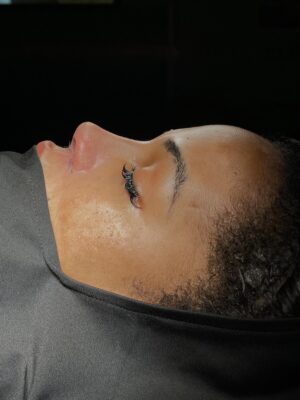
Natural-Looking Rhinoplasty in Turkey from USA
Dr. Yunus Kaplan - Cases - Natural-Looking Rhinoplasty in Turkey from USANatural-looking rhinoplasty is focused [...]
Aug
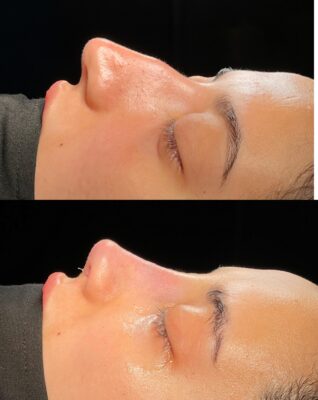
Natural Female Rhinoplasty Before and After
Dr. Yunus Kaplan - Cases - Natural Female Rhinoplasty Before and AfterNatural female rhinoplasty is [...]
Aug

Thick Skin Female Open Rhinoplasty Result
Dr. Yunus Kaplan - Cases - Thick Skin Female Open Rhinoplasty ResultThick skin female rhinoplasty [...]
Aug
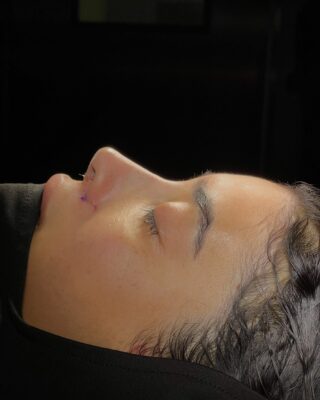
African American Rhinoplasty Before and After
Dr. Yunus Kaplan - Cases - African American Rhinoplasty Before and AfterAfrican American rhinoplasty is [...]
Aug
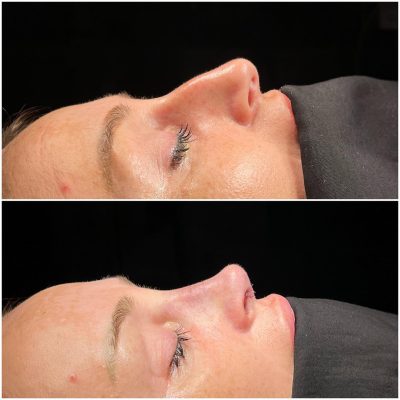
Female Revision Rhinoplasty Before and After
Dr. Yunus Kaplan - Cases - Female Revision Rhinoplasty Before and AfterFemale revision rhinoplasty is [...]
Aug

Female Rhinoplasty Result at 10 Months
Dr. Yunus Kaplan - Cases - Female Rhinoplasty Result at 10 MonthsA female rhinoplasty result [...]
Aug
Our Clinic


