


Thick skin female rhinoplasty requires careful surgical planning because skin thickness can influence how clearly the underlying nasal framework is reflected on the surface. In patients with thicker skin, the nasal tip may appear broader, less defined, or heavier, and postoperative swelling may take longer to resolve. Open rhinoplasty can provide the surgeon with direct access to the nasal structures, allowing more precise reshaping and support when needed.
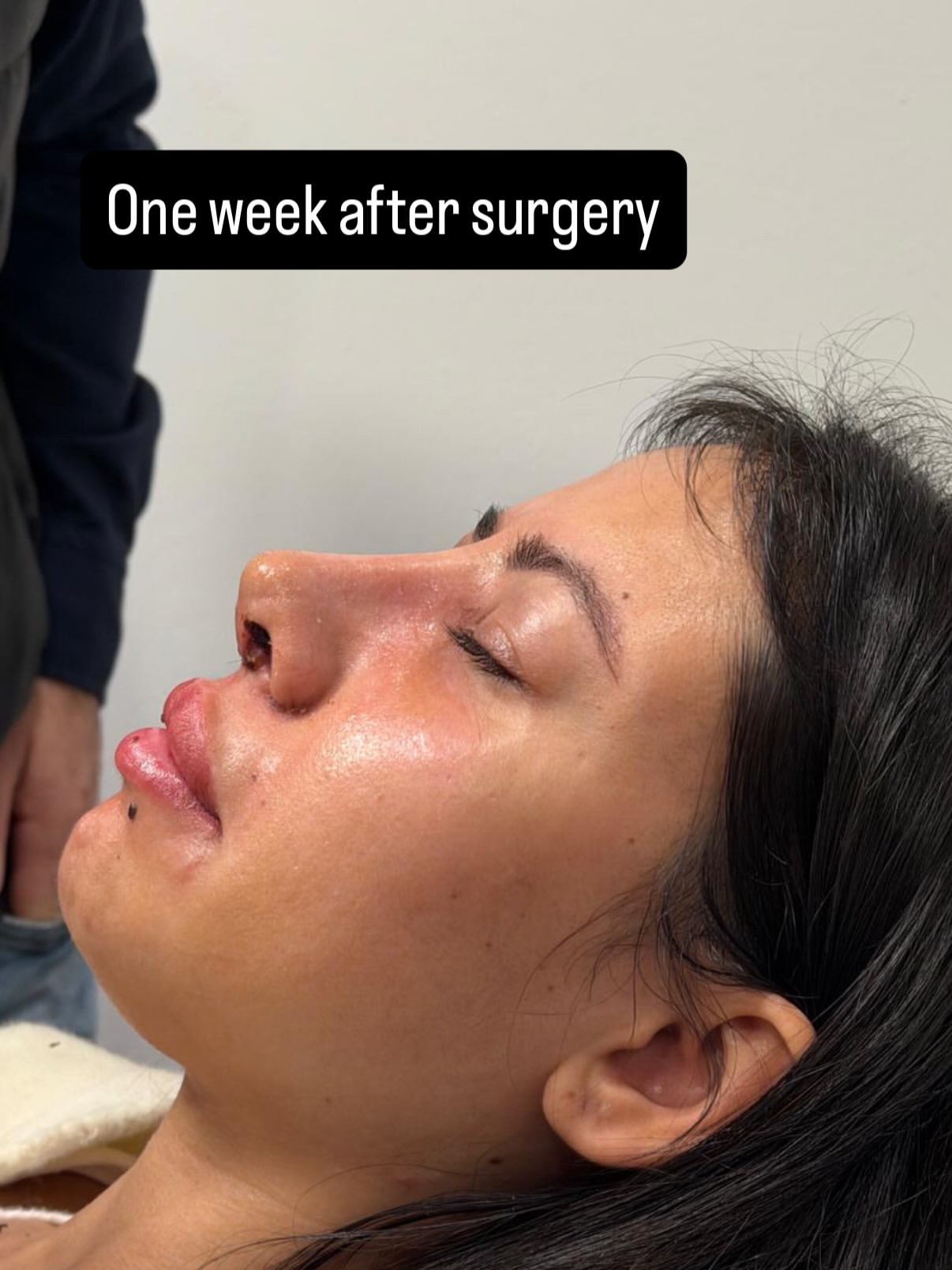
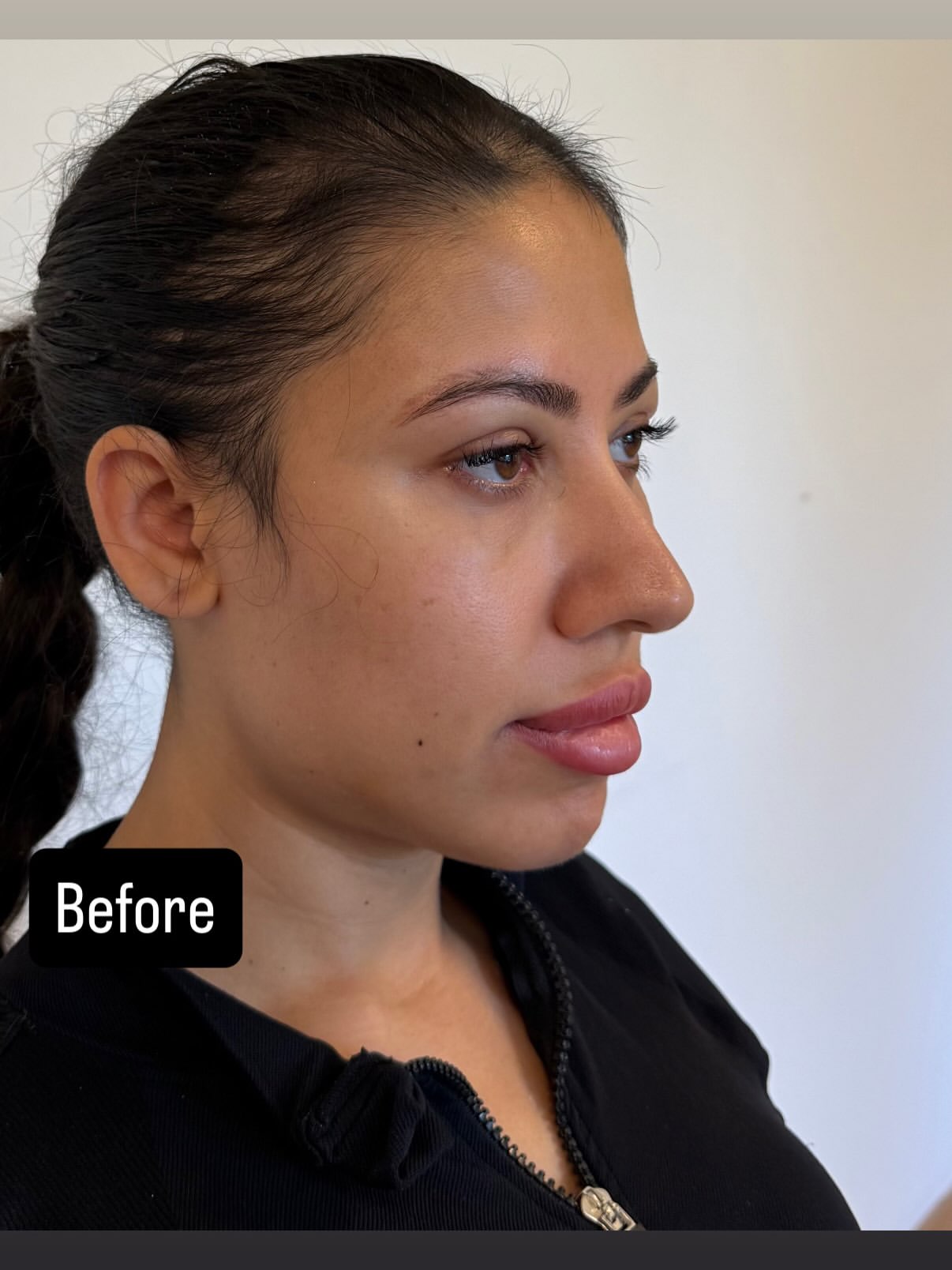
Thick skin female open rhinoplasty before and after photos can help demonstrate how the nasal contour may change gradually after surgery. Before the procedure, common concerns may include a broad or bulbous nasal tip, dorsal hump, excessive projection, drooping tip, or an overall nasal shape that appears disproportionate to the rest of the face. After surgery, the goal is usually to create improved tip definition, smoother nasal lines, and better facial balance without producing an unnatural or overly reduced appearance.
In open rhinoplasty, a small incision is made across the columella to allow greater visualization of the nasal bones and cartilage. This approach can be particularly useful in cases where substantial tip reshaping, structural support, or cartilage grafting is required. In thick-skinned patients, maintaining adequate structural support is especially important because the soft tissue envelope can mask subtle contour changes.
Recovery may take longer compared with patients who have thinner skin. Swelling, particularly at the nasal tip, can remain noticeable for several months and may continue to improve gradually for a year or longer.
The thick skin female open rhinoplasty result photos below show real patient outcomes and illustrate how nasal definition and proportion may improve over time. Individual results vary depending on skin thickness, nasal anatomy, surgical technique, and the healing process.





Op. Dr. Yunus Kaplan is a ENT surgeon with over 15 years of experience specializing in facial aesthetics and rhinoplasty in Istanbul, Turkey. A graduate of Gaziantep University Faculty of Medicine, he completed his ENT specialization at the same institution in 2009 and has since practiced in several prominent private hospitals before founding his own clinic in 2016. Dr. Kaplan focuses on primary, revision, ethnic, and piezo rhinoplasty procedures, combining precision and natural results. He is an active member of the European Academy of Facial Plastic Surgery (EAFPS), the Turkish Facial Plastic Surgery Society, and the Head and Neck Surgery Society, maintaining high standards of medical ethics, artistry, and patient trust.


