


Ethnic Rhinoplasty in Turkey
Ethnic rhinoplasty in Turkey is a specialized procedure designed to refine and enhance the nose while preserving each patient’s unique ethnic features. In Istanbul, skilled surgeons use advanced techniques to achieve natural, balanced results that respect cultural identity while improving both appearance and nasal function.
Ethnic rhinoplasty cost in Turkey typically ranges between 5,000 and 7,000 USD, depending on the complexity of the surgery, structural adjustments needed, and the clinic or surgeon chosen. Istanbul offers world-class facilities and experienced specialists, providing high-quality care at competitive, transparent prices for international patients.
Ethnic rhinoplasty results in Turkey are recognized for maintaining individuality while enhancing facial harmony. Surgeons in Istanbul carefully tailor the procedure to complement the patient’s natural features, often combining aesthetic refinement with functional improvements to ensure long-term satisfaction and a natural appearance.
Ethnic rhinoplasty reviews in Turkey frequently highlight the expertise of surgeons, smooth recovery processes, and natural-looking outcomes. Many patients in Istanbul appreciate the balance between cultural preservation and aesthetic enhancement, making the city a trusted destination for this specialized form of rhinoplasty.

Case Studies

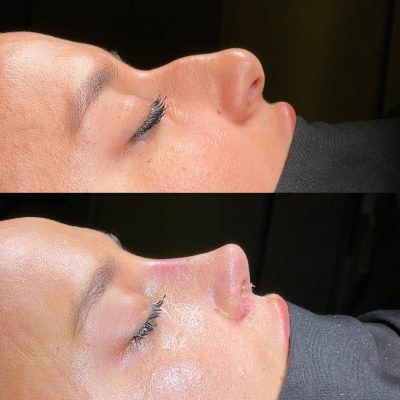
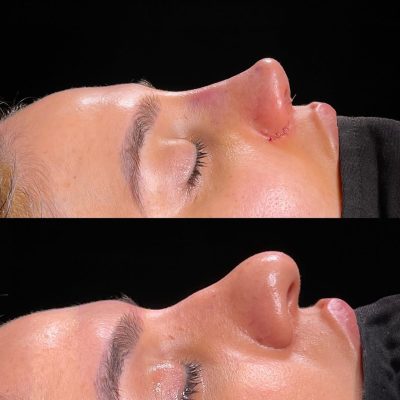


Overview of Ethnic Rhinoplasty in Turkey

Anesthesia
General

Duration
3-4 hours

Hospital Stay
1 Day

Hotel Stay
7 Days

Recovery Time
6-12 months

Back to Work
1 Week
What is Ethnic Rhinoplasty?

Ethnic rhinoplasty is a specialized type of nose reshaping surgery that respects and preserves the unique nasal features associated with a patient’s ethnic background. The goal is to enhance facial harmony while maintaining cultural identity. Surgeons customize techniques based on skin thickness, nasal structure, and desired outcome, commonly working with patients of African, Asian, Middle Eastern, or Latin descent. This procedure requires both technical precision and cultural sensitivity for optimal results.

What Are the Types of Ethnic Rhinoplasty?
Ethnic rhinoplasty refers to nose reshaping procedures tailored to preserve and enhance the unique facial features of individuals from diverse ethnic backgrounds. The approach varies based on structural and aesthetic characteristics associated with different ethnicities:
- African-American Rhinoplasty: Often involves tip refinement, nostril narrowing, and dorsal augmentation while maintaining ethnic identity.
- Asian Rhinoplasty: Typically focuses on increasing nasal height, refining the tip, and sometimes narrowing the nostrils using cartilage grafts.
- Middle Eastern Rhinoplasty: Commonly addresses dorsal humps and bulbous tips while preserving the natural profile.
- Latino/Hispanic Rhinoplasty: May include tip projection, bridge refinement, and nostril reshaping while keeping facial balance.
- Mixed Ethnicity Rhinoplasty: A personalized approach combining techniques to respect and harmonize mixed ethnic features.
How Is Ethnic Rhinoplasty Performed?
Ethnic rhinoplasty is a surgical technique that shapes the nasal structure by considering the anatomical features specific to the patient’s ethnic origin. The surgeon aims to achieve a result that is harmonious with the face by preserving the aesthetic and functional balance of the nose. In these operations, procedures such as increasing nasal projection or narrowing the nasal base are performed while preserving the patient’s natural ethnic identity.
Techniques used:
- Cartilage grafts
- Alar base reduction
- Nasal tip modification
- Considering skin thickness
Surgeons preserve the natural structure of the nose by using cartilage grafts in augmentation and reconstruction procedures. In this process, cartilage taken from the ear, rib, or nasal septum is used to provide more projection to the nose. Especially in flat and wide noses, these grafts play an important role in elevating the nasal bridge and defining the tip.
Ethnic rhinoplasty focuses not only on aesthetic but also on functional outcomes. Since excessive narrowing of the nasal passages can affect breathing function, surgeons meticulously maintain this balance. Surgical procedures require more planning and attention for patients with thick nasal skin because thick skin can conceal fine aesthetic details. The surgeon’s goal is to achieve results that provide a natural appearance reflecting ethnic identity and are proportional to the face.
Ethnic Rhinoplasty in Turkey Before & After


When Is Ethnic Rhinoplasty Performed?
Ethnic rhinoplasty is applied when patients want to preserve their ethnic identity while undergoing nasal cosmetic surgery. It aims to correct anatomical features that are common especially in non-Caucasian individuals. This procedure focuses on improving the shape of the nose without disrupting its natural appearance. Ethnic rhinoplasty is typically performed to address the following anatomical variations:
- Wide nasal base
- Low nasal bridge
- Thick skin texture
- Insufficient nasal projection
- Large or round nasal tip
The surgeon aims to achieve a natural result that is harmonious with the patient’s facial structure while simultaneously improving the function and aesthetics of the nose. Preserving the individual’s ethnic and cultural features is the main goal in ethnic rhinoplasty, which requires an approach where reflecting personal identity is important.
Who Is Not Suitable for Ethnic Rhinoplasty?
[arve url=”https://www.youtube.com/watch?v=jZ5PhYR6lCA” /]Ethnic rhinoplasty may not be suitable for every patient, and certain medical and aesthetic limitations should be considered. Patients considering this surgery need to pay attention to factors such as thick nasal skin and underlying health issues. Additionally, it is important for individuals considering this surgery to have realistic expectations and a desire to preserve their natural ethnic features.
- Thick nasal skin
- Autoimmune diseases
- Uncontrolled diabetes
- Bleeding disorders
- Existing nasal breathing problems
- Unrealistic aesthetic expectations
These conditions can negatively affect the outcomes of the surgery and may lead to various complications during the healing process. Surgeons determine whether rhinoplasty is appropriate by evaluating each patient’s overall health status and aesthetic goals. Therefore, it is critical for patients to undergo a comprehensive assessment to understand their suitability for surgery.
How Is Ethnic Rhinoplasty Applied?

Ethnic rhinoplasty is a procedure aimed at achieving a natural appearance by preserving the nasal structure of different ethnic groups. The surgeon aims to correct aesthetic concerns in the nose without disrupting the patient’s facial harmony. The nasal anatomy, which varies according to ethnic groups, causes surgical techniques to differ.
- African-American rhinoplasty: Flat nasal tip, thick skin
- Asian rhinoplasty: Low nasal bridge, flat nasal tip
- Middle Eastern rhinoplasty: Prominent nasal bridge, bulbous nasal tip
- Hispanic rhinoplasty: Wide nasal tip, thick skin
During the procedure, cartilage grafts, techniques to increase nasal projection, and sometimes reduction techniques are commonly used. The goal is to achieve an aesthetic result while preserving the patient’s natural ethnic features. The healing process of ethnic rhinoplasty may vary depending on the individual, but swelling usually lasts for a few weeks.
What Are the Side Effects of Ethnic Rhinoplasty?
The side effects of ethnic rhinoplasty are similar to those of traditional rhinoplasty, but there are some unique risks associated with this operation, especially due to the goal of preserving the patient’s ethnic features. Although mild and temporary side effects are generally observed after the operation, more serious complications may develop in some cases. These side effects and complications can be minimized with appropriate surgical techniques and proper care. However, the following symptoms should still be considered.
Common side effects:
- Swelling
- Bruising
- Numbness
- Difficulty breathing
Possible complications:
- Scarring
- Nasal deformities
- Asymmetry and contour irregularities
- Infections
- Hematoma
- Functional problems
In ethnic rhinoplasty, the aesthetic satisfaction of patients is of great importance due to the aim of preserving the natural proportions of the face and ethnic identity. Since excessive interventions can disrupt the patient’s natural appearance, a more cautious approach is required in this type of operation. The surgeon’s understanding of the patient’s expectations and planning appropriate to facial anatomy plays a critical role in both aesthetic results and nasal functions. Therefore, patients considering this surgery need to consult with a specialist surgeon openly and in detail.
How Successful Is Ethnic Rhinoplasty?
The success rates of ethnic rhinoplasty vary depending on the surgeon’s experience, the patient’s expectations, and the techniques used. Success is measured by both the satisfaction of aesthetic results and the avoidance of complications. Ethnic rhinoplasty requires special expertise because it is performed by respecting the facial structure and ethnic features of patients. It is important for the surgeon to be aware of the anatomical challenges of different ethnic groups, as nasal structures may vary for each group.
Success criteria related to ethnic rhinoplasty:
- High patient satisfaction
- Resolution of aesthetic issues
- Low complication rate
- Preservation of ethnic features
Patient satisfaction has been observed at a rate of over 80% after surgery. However, dissatisfaction usually stems from aesthetic concerns regarding the appearance of the nasal tip and bridge. Revision surgeries may be more common in ethnic rhinoplasties because these patients may have thicker skin and weak cartilage structures. This requires more complex grafting techniques for surgeons.
Ethnic rhinoplasty techniques are applied individually by considering differences in nasal structure. In African-American, Asian, and Hispanic patients, procedures to raise a low nasal bridge and add definition to the nasal tip are common. These patients generally report higher satisfaction with results that provide aesthetic improvement without disrupting the natural appearance.
How to Prepare Before Ethnic Rhinoplasty?
Preparation before ethnic rhinoplasty is a process that needs to be carefully planned to achieve a natural and harmonious appearance while preserving the patient’s ethnic features. In this process, surgeons consider both the patient’s physical characteristics and cultural identity. For a successful outcome, aesthetic expectations and surgical techniques should be discussed in detail. During the consultation, solutions suitable for the patient’s facial structure and nasal anatomy are developed.
- Comprehensive evaluation
- Digital imaging
- Preoperative instructions
During the preoperative process, surgeons explain to the patient the issues to pay attention to before the operation. At this stage, it is very important for the patient to be physically and psychologically prepared for surgery. Information is provided about the postoperative recovery process and expected results. Especially for ethnic rhinoplasty, selecting appropriate techniques is a sensitive approach to achieve natural results.
How Should Postoperative Care Be After Ethnic Rhinoplasty?
Postoperative care after ethnic rhinoplasty is of great importance to optimize the healing process and maintain the desired aesthetic result. With careful care, patients can speed up healing and prevent complications.
- Applying cold compresses to reduce swelling and bruising
- Using saline sprays to keep nasal passages moist
- Avoiding wetting the nasal splint
- Not neglecting suture care
- Avoiding strenuous activities
- Avoiding exposure to sunlight
- Following a soft diet and drinking plenty of water
There are other factors that patients need to pay attention to in order to feel good during the postoperative period. It is recommended to reduce stress and engage in relaxing activities throughout the healing process. Getting enough sleep during this period will support the body’s repair mechanisms. Additionally, attending all follow-up appointments recommended by the surgeon helps ensure the process progresses healthily. By paying attention to their physical and emotional health during this process, patients can contribute to further improving aesthetic results. Regular follow-up and communication with the surgeon are key to evaluating the effects of aesthetic interventions made in the long term.
How Much Does an Ethnic Rhinoplasty Cost in Turkey Compared to the US and UK?
Ethnic rhinoplasty in Turkey usually costs between $6,000 and $7,000, with experienced surgeons tailoring techniques to preserve and enhance natural ethnic features. In the United States, prices typically range from $12,000 to $22,500, and in the United Kingdom from £10,500 to £18,000. Turkey remains a popular destination for patients seeking specialized care at a significantly lower cost.
Frequently Asked Questions
In which cases is ethnic rhinoplasty preferred?
Ethnic rhinoplasty is an approach aimed at improving the aesthetic appearance of the nose while preserving cultural identity by addressing specific corrections in nasal structures characteristic of certain ethnic groups. Individuals may seek to modify common anatomical features, such as a flatter nasal bridge or wider nostrils, often seen in some ethnic populations. This specialized method aims to achieve a natural and harmonious facial appearance while maintaining the individual’s ethnic identity.
How are cultural features preserved during surgery?
Ethnic rhinoplasty preserves cultural features by customizing surgical techniques to suit the patient’s unique anatomical characteristics and aesthetic preferences. For instance, in Asian rhinoplasty, grafts may be used to naturally augment the nasal bridge, while in African American rhinoplasty, narrowing the nostrils or refining the nasal tip can preserve cultural identity. This approach respects each patient’s heritage and facial features, providing an aesthetic result tailored to their individual face.
What techniques are used in ethnic rhinoplasty?
Ethnic rhinoplasty employs specialized techniques to improve the shape of the nose while maintaining cultural identity. Common methods include supporting the nasal bridge and tip with grafts from the septum, ear, or rib cartilage to address flat nasal bridges or undefined nasal tips, often observed in African American and Asian patients. In individuals with wide nostrils, such as those of African, Asian, or Hispanic descent, nasal base reduction is often performed to narrow the nasal base. For patients with thick skin, tip refinement techniques can enhance nasal tip definition. In Asian patients, cartilage grafts or implants may be used to elevate a low nasal bridge. Ethnic rhinoplasty requires an understanding of diverse nasal anatomies and cultural aesthetic values, ensuring natural and harmonious results while preserving the patient’s unique ethnic characteristics.
What is the recovery process like after this type of surgery?
The recovery process after ethnic rhinoplasty typically begins with a protective nasal splint for the first week, during which swelling and bruising may occur. Most patients can return to normal activities within one to two weeks, but full recovery may take several months as residual swelling gradually subsides. Carefully following the surgeon’s postoperative care instructions is essential for optimal healing and the best outcomes.
How does ethnic rhinoplasty differ from other types of rhinoplasty?
Ethnic rhinoplasty aims to provide aesthetic results while preserving cultural identity by tailoring surgical techniques to the unique nasal anatomies of different ethnic groups. Unlike traditional rhinoplasty, which often aligns nasal aesthetics with Western beauty standards, ethnic rhinoplasty considers the characteristic features of various ethnic populations. For example, African or Asian patients may have wider nasal bases and flatter nasal bridges, requiring specialized techniques such as cartilage grafting to elevate the bridge and shape the nasal tip. Additionally, ethnic rhinoplasty focuses on achieving natural and harmonious results by respecting the patient’s cultural heritage and facial features.
Latest Posts

Female Primary Rhinoplasty Before and After Photos
Dr. Yunus Kaplan - Cases - Female Primary Rhinoplasty Before and After PhotosFemale primary rhinoplasty [...]
Aug
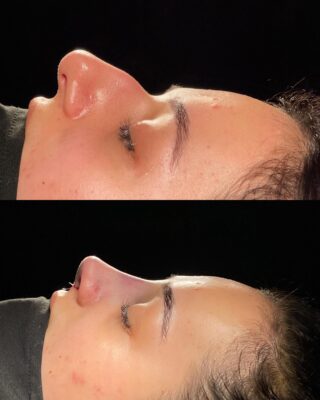
Aquiline Nose Rhinoplasty Before and After
Dr. Yunus Kaplan - Cases - Aquiline Nose Rhinoplasty Before and AfterAquiline nose rhinoplasty is [...]
Aug

Natural-Looking Rhinoplasty in Turkey from USA
Dr. Yunus Kaplan - Cases - Natural-Looking Rhinoplasty in Turkey from USANatural-looking rhinoplasty is focused [...]
Aug
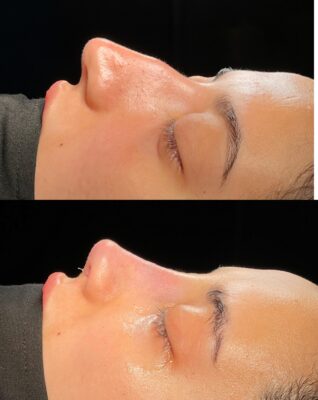
Natural Female Rhinoplasty Before and After
Dr. Yunus Kaplan - Cases - Natural Female Rhinoplasty Before and AfterNatural female rhinoplasty is [...]
Aug

Thick Skin Female Open Rhinoplasty Result
Dr. Yunus Kaplan - Cases - Thick Skin Female Open Rhinoplasty ResultThick skin female rhinoplasty [...]
Aug
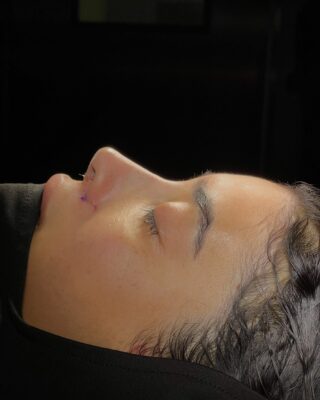
African American Rhinoplasty Before and After
Dr. Yunus Kaplan - Cases - African American Rhinoplasty Before and AfterAfrican American rhinoplasty is [...]
Aug
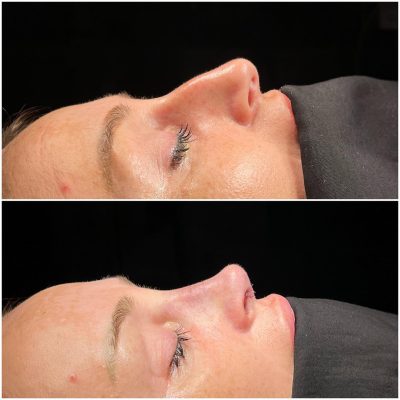
Female Revision Rhinoplasty Before and After
Dr. Yunus Kaplan - Cases - Female Revision Rhinoplasty Before and AfterFemale revision rhinoplasty is [...]
Aug

Female Rhinoplasty Result at 10 Months
Dr. Yunus Kaplan - Cases - Female Rhinoplasty Result at 10 MonthsA female rhinoplasty result [...]
Aug
Our Clinic


