


Functional Rhinoplasty in Turkey
Functional rhinoplasty in Turkey is a specialized procedure aimed at improving nasal airflow and correcting structural issues that affect breathing. In Istanbul, surgeons use advanced techniques to address problems such as deviated septum, valve collapse, or trauma, while maintaining or enhancing the nose’s natural appearance.
Functional rhinoplasty cost in Turkey generally ranges between 5,000 and 7,000 USD, depending on the complexity of the structural repairs and the chosen clinic. Istanbul offers modern medical facilities and experienced specialists, making it a cost-effective option for both local and international patients seeking improved nasal function.
Functional rhinoplasty results in Turkey focus on restoring proper breathing while ensuring a balanced and natural look. Surgeons in Istanbul carefully plan each operation to meet both functional and aesthetic needs, often combining reconstructive techniques with subtle cosmetic refinements for long-term satisfaction.
Functional rhinoplasty reviews in Turkey highlight the significant improvement in breathing, reduction of nasal obstruction, and enhancement in overall quality of life. Many patients in Istanbul praise the professionalism of their surgical teams, smooth recovery, and the dual benefit of improved function and appearance.

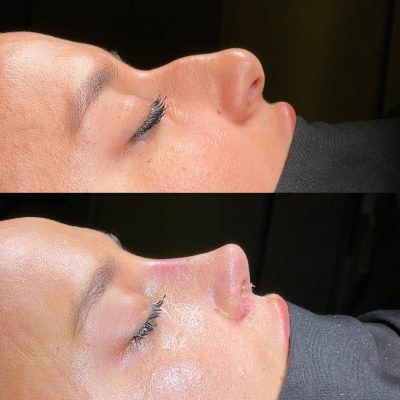
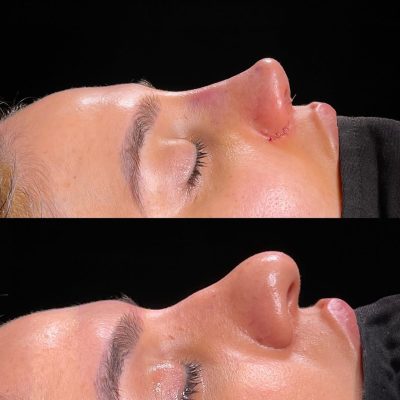
Case Studies



Overview of Functional Rhinoplasty in Turkey

Anesthesia
General

Duration
3-4 hours

Hospital Stay
1 Day

Hotel Stay
7 Days

Recovery Time
6-12 months

Back to Work
1 Week
What Is Functional Rhinoplasty?

Functional rhinoplasty is an operation aimed at correcting structural problems in the nose to improve respiratory function. Instead of aesthetic concerns, it focuses on breathing difficulties caused by anatomical problems such as nasal valve collapse, septal deviations, or turbinate hypertrophy. Surgical techniques applied include septoplasty, nasal valve repair, and reshaping the external structure of the nose when necessary. In the 20th century, this procedure was further developed with the aim of balancing aesthetic and functional approaches. Additionally, in 2016, the FDA approved the use of implants like Latera for the treatment of nasal valve collapse.
What Are the Types of Functional Rhinoplasty?
Functional rhinoplasty is performed to improve nasal breathing and correct structural abnormalities while preserving or subtly enhancing the nose’s appearance. Depending on the issue, several surgical techniques may be used:
-
Septoplasty: Corrects a deviated septum to improve airflow through both nasal passages.
-
Nasal Valve Repair: Reinforces or widens the internal or external nasal valves to prevent airway collapse during breathing.
-
Turbinate Reduction: Shrinks enlarged turbinates—structures inside the nose that can obstruct airflow.
-
Spreader Graft Placement: Inserts cartilage grafts between the septum and nasal sidewalls to widen the internal nasal valve.
-
Alar Batten Grafts: Strengthens and supports weak or collapsing nostrils to stabilize the external nasal valve.
-
Combined Functional and Cosmetic Rhinoplasty: Addresses both breathing and aesthetic concerns in a single procedure for optimal balance.
How Is Functional Rhinoplasty Performed?
Functional rhinoplasty is a surgical procedure aimed at resolving structural problems that cause nasal airway obstruction. This surgery is performed to improve respiratory functions while also considering aesthetic concerns. Various techniques are applied in functional rhinoplasty, and each is planned according to the patient’s needs.
- Septoplasty
- Nasal valve reconstruction
- Turbinate reduction
During the surgery, the cartilage and bone tissues inside the nose are reshaped, valve collapses are prevented, and nasal turbinates are reduced. These structural adjustments widen the nasal airways while preserving the aesthetic appearance of the nose. Most patients achieve satisfactory results both aesthetically and functionally after this surgery. The postoperative recovery process is carefully monitored along with changes in the functionality and appearance of the nose. Objective measurements like the NOSE score are used to evaluate improvements in nasal obstruction and breathing.
Functional Rhinoplasty in Turkey Before & After


When Is Functional Rhinoplasty Performed?
Functional rhinoplasty is a surgical procedure preferred for correcting anatomical problems that cause nasal obstruction. It is suitable especially for patients experiencing breathing difficulties that negatively affect their daily lives. In this procedure, various structural abnormalities causing obstruction of the nasal airway are corrected, allowing the patient to breathe comfortably.
The main conditions requiring this procedure are:
- Nasal valve collapse
- Septal deviation
- Nasal trauma
- Turbinate hypertrophy
- Congenital deformities
- Chronic nasal obstruction resistant to medical treatment
Functional rhinoplasty differs from rhinoplasty procedures performed for aesthetic purposes because its primary goal is the functional improvement of the internal nasal airways rather than the shape of the nose. Most patients experience a significant improvement in respiratory functions after this surgery, which may include a combination of procedures like septoplasty, nasal valve reconstruction, or turbinate reduction. A detailed examination and evaluation are conducted before the surgery to prepare a surgical plan appropriate to the patient’s anatomical structure. This ensures that postoperative results are satisfactory in terms of both patient satisfaction and long-term functional success.
Who Is Not Suitable for Functional Rhinoplasty?
[arve url=”https://www.youtube.com/watch?v=jZ5PhYR6lCA” /]Functional rhinoplasty may not be a suitable surgical procedure for every patient. Surgeons should carefully evaluate whether patients have any contraindications to achieve successful results and prevent complications. These contraindications can be examined as anatomical, medical, and psychological factors.
Anatomical Contraindications
- Severe nasal deformities
- Active nasal infections
- Chronic inflammatory conditions
Medical Contraindications
- Uncontrolled diabetes
- High blood pressure
- Autoimmune diseases
- Blood clotting disorders
Psychological Contraindications
- Body dysmorphic disorder
- Unrealistic expectations
- Unstable mental health
Functional rhinoplasty is primarily performed to improve respiratory function, but the risks may be too high for some patients. Especially patients with severe anatomical problems may require more extensive surgical procedures, while uncontrolled bleeding during surgery can be dangerous for individuals with blood clotting disorders. Additionally, it is a critical evaluation process for surgeons to not select patients who do not fully understand the limitations of the surgery or who have a high likelihood of dissatisfaction with the results after surgery.
How Is Functional Rhinoplasty Applied?

Functional rhinoplasty is a surgical procedure aimed at improving airflow by correcting structural abnormalities in the nose. This operation is usually performed to correct issues like septal deviation, nasal valve collapse, or enlarged turbinates that lead to nasal obstruction. Since each patient’s condition is different, the surgeon creates a personalized surgical plan.
During the preoperative planning stage, the nasal structure is examined in detail, and the following issues may be identified:
- Septal deviation
- Nasal valve collapse
- Enlarged turbinates
Surgical techniques used in functional rhinoplasty include:
- Septoplasty
- Turbinate reduction
- Nasal valve repair
- Fracture repair
The procedure is usually performed under general anesthesia and lasts between 1.5 to 3 hours. During the surgery, the surgeon may use open or closed techniques. In the open technique, an incision is made on the columella, the skin tissue between the nostrils, while in the closed technique, incisions are made inside the nose.
Although the main goal of this operation is to improve breathing, aesthetic corrections to the nose may also be necessary. This increases patient satisfaction both functionally and aesthetically. The postoperative recovery process may vary from person to person, but patients can generally return to normal activities within a few weeks.
What Are the Side Effects of Functional Rhinoplasty?
While functional rhinoplasty addresses respiratory problems, it can lead to some side effects and complications. Postoperative complications may vary depending on the patient’s anatomical structure and the scope of the surgery. There are some potential risks that need to be considered during and after the procedure.
- Bleeding and hematoma
- Septal perforation
- Worsening nasal breathing
- Changes in smell or taste
- Skin discoloration
- Need for revision surgery
The risk of bleeding after surgery is higher, especially in patients with bleeding disorders. When a septal perforation occurs, issues like dryness and crusting inside the nose can be experienced. Although rare, long-term changes in smell or taste senses may be observed. In addition to these side effects, patients may request revision surgery when the desired result is not achieved in nasal aesthetics or respiratory function after the procedure.
How Successful Is Functional Rhinoplasty?
Functional Rhinoplasty in Turkey Before & After
Functional rhinoplasty surgeries have high success rates in improving nasal airflow and eliminating nasal obstruction. The success of the surgery may vary depending on the surgical techniques and the patient’s nasal structure. In general, the vast majority of patients experience a significant improvement in respiratory functions after the operation. Studies show that the results of these surgeries generally achieve success between 80% and 90%.
- Correction of nasal airflow
- Elimination of nasal obstruction
- Consistent results with septoplasty
However, since each patient’s anatomical structure and health condition are different, some complications may occur after surgery. The need for revision surgery is rare, but a second intervention may be necessary in some patients. Functional rhinoplasty results significantly improve the quality of life and contribute to the treatment of sleep disorders, especially in individuals with serious respiratory problems like sleep apnea.
How to Prepare Before Functional Rhinoplasty?
A careful preparation process before functional rhinoplasty is necessary to increase the success of the surgical intervention. A detailed evaluation of the nasal structure and airway is a critical step in planning the surgery. Patient history, a comprehensive examination of nasal functions, and imaging techniques if necessary are indispensable parts of this process. Additionally, the patient’s medical condition should be carefully reviewed to ensure the surgery is successful.
- Detailed patient history
- Physical examination
- Imaging such as computed tomography (CT)
- Nasal endoscopy
- Rhinomanometry
- Acoustic rhinometry
It is important to establish open communication between the surgeon and the patient before the surgery. The patient’s expectations from the surgery, risks, and potential outcomes should be emphasized. Additionally, controlling conditions like nasal inflammation and infection during the preoperative period ensures better surgical outcomes.
How Should Postoperative Care Be After Functional Rhinoplasty?

Postoperative care after functional rhinoplasty is of great importance for a healthy and complication-free healing process. There are many factors that patients need to pay attention to after surgery. Paying attention to the hygiene of the nasal area is one of the most important steps in healing. Regularly cleaning the nose using saline sprays prevents crusting and infection. No objects should be inserted into the nose, and blowing the nose should be avoided.
The splints and stitches used after surgery are placed to protect the structure and support healing. Splints are usually removed within 5-7 days, while stitches dissolve on their own.
Pain and swelling are common conditions after surgery. Prescribed painkillers and cold compresses help you get through this process more comfortably. Swelling usually starts to decrease within a few weeks.
It may be difficult to breathe through the nose after surgery, but this is a temporary condition. To support the healing process, it is important to avoid strenuous activities and sleep with the head elevated.
Although a significant part of healing is observed in the first six weeks, full recovery may take six months or longer. Regular doctor check-ups should not be neglected during this process.
How Much Does a Functional Rhinoplasty Cost in Turkey Compared to the US and UK?
Functional rhinoplasty in Turkey, which addresses both breathing issues and nasal structure, generally costs between $6,000 and $7,000. In contrast, similar procedures in the US range from $12,000 to $22,500, and in the UK from £10,500 to £18,000. Turkey offers expert-level functional surgery at more accessible prices.
Frequently Asked Questions
What problems does functional rhinoplasty solve?
Functional rhinoplasty addresses issues such as nasal airway obstructions, internal nasal valve collapse, external nasal valve collapse, and septal deviations, improving nasal breathing and the sense of smell. Following this procedure, patients show significant improvement in evaluations of breathing difficulties and nasal obstruction (e.g., NOSE score, SNOT-22 score, VAS score). Additionally, patients experience enhanced quality of life and self-confidence. Functional rhinoplasty alleviates nasal obstruction, enabling easier breathing and improved olfactory function.
How is breathing preserved while achieving an aesthetic appearance?
Functional rhinoplasty aims to maintain nasal airflow while achieving aesthetic improvements. Studies show that 82.2% of patients seek rhinoplasty for both aesthetic and functional reasons, while only 4.7% undergo the procedure solely for aesthetic purposes. Postoperative evaluations indicate significant improvements in both nasal function and aesthetics.
How does the quality of life change for patients after functional rhinoplasty?
Functional rhinoplasty significantly enhances patients’ quality of life by improving nasal function and aesthetics. Studies report a notable reduction in nasal obstruction symptoms after surgery, along with a significant increase in patient satisfaction regarding nasal appearance and function. These improvements lead to better sleep quality, increased self-esteem, and an overall enhanced quality of life.
What are the risks of this type of surgery?
Functional rhinoplasty carries risks such as nasal bleeding (epistaxis), which occurs in 1-3% of patients. Septal perforation (a hole in the nasal septum) is observed in 1-5% of cases, while breathing difficulties and loss of smell/taste occur in less than 1%. Skin discoloration and the need for revision surgery are reported in 5-30% of cases. The overall complication rate is approximately 0.7%, with higher risks in older patients or those undergoing additional procedures. Despite these risks, functional rhinoplasty can significantly improve symptoms such as nasal obstruction.
Can functional and aesthetic nasal surgeries be combined?
Yes, functional and aesthetic rhinoplasty can be combined. A study found that 82.2% of patients underwent rhinoplasty for both aesthetic and functional reasons, 4.7% for aesthetic purposes only, and 13.1% for functional reasons alone. Combining these two procedures significantly improves both nasal function and appearance, leading to higher overall patient satisfaction.
Latest Posts

Female Primary Rhinoplasty Before and After Photos
Dr. Yunus Kaplan - Cases - Female Primary Rhinoplasty Before and After PhotosFemale primary rhinoplasty [...]
Aug
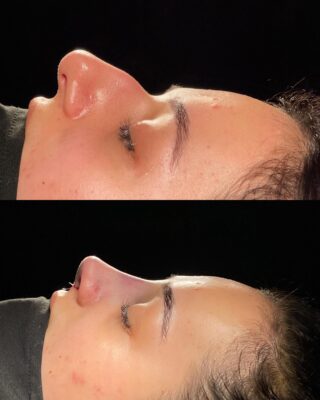
Aquiline Nose Rhinoplasty Before and After
Dr. Yunus Kaplan - Cases - Aquiline Nose Rhinoplasty Before and AfterAquiline nose rhinoplasty is [...]
Aug

Natural-Looking Rhinoplasty in Turkey from USA
Dr. Yunus Kaplan - Cases - Natural-Looking Rhinoplasty in Turkey from USANatural-looking rhinoplasty is focused [...]
Aug
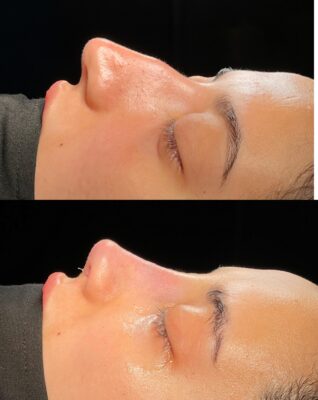
Natural Female Rhinoplasty Before and After
Dr. Yunus Kaplan - Cases - Natural Female Rhinoplasty Before and AfterNatural female rhinoplasty is [...]
Aug

Thick Skin Female Open Rhinoplasty Result
Dr. Yunus Kaplan - Cases - Thick Skin Female Open Rhinoplasty ResultThick skin female rhinoplasty [...]
Aug
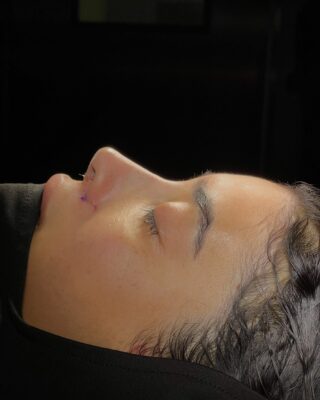
African American Rhinoplasty Before and After
Dr. Yunus Kaplan - Cases - African American Rhinoplasty Before and AfterAfrican American rhinoplasty is [...]
Aug
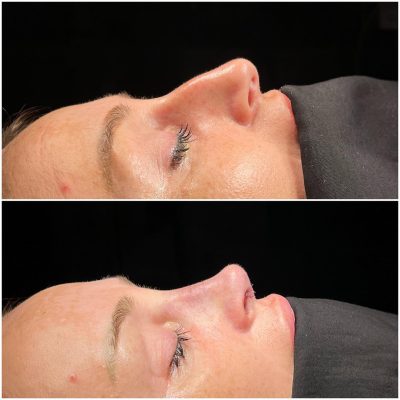
Female Revision Rhinoplasty Before and After
Dr. Yunus Kaplan - Cases - Female Revision Rhinoplasty Before and AfterFemale revision rhinoplasty is [...]
Aug

Female Rhinoplasty Result at 10 Months
Dr. Yunus Kaplan - Cases - Female Rhinoplasty Result at 10 MonthsA female rhinoplasty result [...]
Aug
Our Clinic


