


Ultrasonic Piezo Rhinoplasty in Turkey
Ultrasonic rhinoplasty with the Piezo method in Turkey is an advanced technique that uses high-frequency sound waves to shape nasal bones with extreme precision. In Istanbul, surgeons apply this method to minimize trauma, reduce swelling and bruising, and achieve smooth, natural results while preserving delicate nasal structures.
Ultrasonic rhinoplasty with the Piezo method cost in Turkey generally ranges between 5,000 and 7,000 USD, depending on the complexity of the procedure and the clinic selected. Istanbul offers state-of-the-art facilities and experienced surgeons, providing international patients with high-quality care at competitive, transparent prices.
Ultrasonic rhinoplasty with the Piezo method results in Turkey are known for accuracy and refined bone shaping without damaging surrounding tissues. Surgeons in Istanbul customize each operation to suit the patient’s facial proportions and goals, ensuring natural, balanced outcomes with a shorter recovery period.
Ultrasonic rhinoplasty with the Piezo method reviews in Turkey often highlight reduced discomfort, quicker healing, and the precision of results. Many patients in Istanbul appreciate the advanced technology, noting that it allows for subtle yet impactful improvements in nasal shape while maintaining safety and comfort.

Case Studies

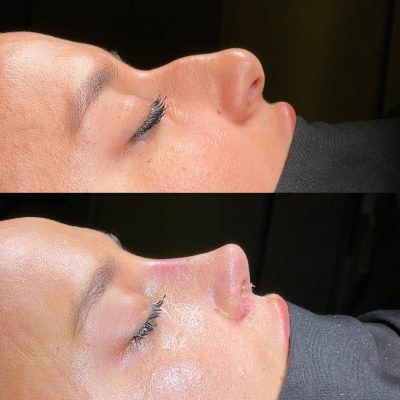
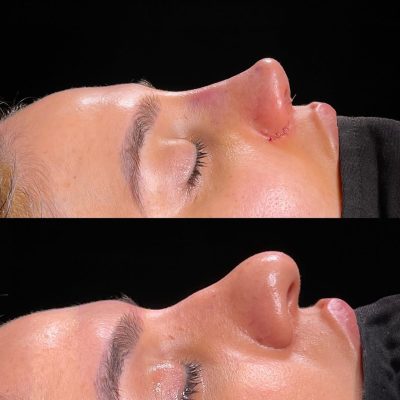


Overview of Ultrasonic Piezo Rhinoplasty in Turkey

Anesthesia
General

Duration
3-4 hours

Hospital Stay
1 Day

Hotel Stay
7 Days

Recovery Time
6-12 months

Back to Work
1 Week
What Is Ultrasonic Rhinoplasty with the Piezo Method?

Ultrasonic rhinoplasty with the Piezo method is an innovative rhinoplasty technique developed in 2004 and approved by the FDA in November 2017. This method precisely reshapes bone and cartilage tissues using ultrasonic vibrations while causing minimal damage to the surrounding soft tissues. Unlike manual instruments used in traditional rhinoplasty, piezo technology provides a more controlled operation. As a result, patients experience less bruising and swelling, and their recovery processes are accelerated. This method, generally preferred in open rhinoplasty surgeries, increases surgical precision and reduces the risk of complications. Its increasing popularity in recent years allows patients to have a more comfortable recovery process.

How Is Ultrasonic Rhinoplasty with the Piezo Method Performed?
Ultrasonic rhinoplasty with the Piezo method is a surgical technique applied with minimal trauma, using piezoelectric devices to reshape nasal bones and structures. The piezo device, which converts electrical energy into mechanical vibrations, produces ultrasonic vibrations in the range of 25-30 kHz. Thanks to these vibrations, bones are precisely cut while preserving soft tissues. One of the advantages of the method is the reduction of complications such as bleeding and postoperative bruising. The selective cutting ability of the piezo device allows the surgeon to perform a more controlled operation.
Advantages of this method:
- Less trauma
- Reduced bleeding
- Minimal bruising
- Precise bone cutting
- Faster recovery
During the operation, the surgeon can clearly observe the nasal structure and intervene directly. Unwanted bone fractures seen in traditional rhinoplasty methods are largely prevented with this technique. Additionally, since the nasal skeleton is reshaped more stably with the piezo method, more predictable long-term results are obtained.
The piezo method may take slightly longer than traditional techniques, but this small time difference can be overlooked due to the precision and low complication rate it provides. As a result, it offers a safe and effective solution for both the surgeon and the patient.
Ultrasonic Piezo Rhinoplasty in Turkey Before & After


When Is Ultrasonic Rhinoplasty with the Piezo Method Performed?
Ultrasonic rhinoplasty with the Piezo method is preferred especially in certain surgical situations due to its advantages of precision, safety, and minimal trauma. This method allows for controlled shaping of the bones and preservation of soft tissues, making it an ideal option for surgeons in both primary and secondary rhinoplasty cases.
The main indications are:
- Nasal asymmetries
- Humps
- Irregular bone deformities
- Complex nasal deformities
- Cleft nasal structures
- Revision rhinoplasties
Piezo rhinoplasty is a technique preferred by surgeons especially in patients with complex nasal anatomy. This method, which does not require traditional osteotomy, helps to reshape the nasal bones more controllably while reducing side effects such as postoperative bruising and swelling. Additionally, the precision it provides in treating bone deformities ensures that the surgical process is more successful and safe.
The piezo method is also quite common in secondary rhinoplasty cases. Considering that bone tissues may have become sensitive due to previous surgeries in patients who have had previous rhinoplasty, using ultrasonic piezo devices minimizes tissue trauma. This accelerates the patients’ recovery process while reducing the risk of postoperative complications. Rhinoplasties performed with the piezo method contribute to patients achieving long-term aesthetically successful results in their nasal structure.
Who Is Not Suitable for Ultrasonic Rhinoplasty with the Piezo Method?
[arve url=”https://www.youtube.com/watch?v=jZ5PhYR6lCA” /]Although ultrasonic rhinoplasty with the Piezo method is a technique that provides successful results in many patients, it may not be suitable for every patient. Certain patient conditions and anatomical challenges may prevent this method from being applied safely and effectively. These contraindications can vary depending on the patient’s general health status and nasal structure. For the safety and effectiveness of the piezo method, the following situations should be considered:
- Active infections
- Poor bone quality
- Chronic inflammatory conditions
- Severe septal deviation
- Uncontrolled systemic diseases
- Previous nasal surgeries
- Allergy to anesthesia
These factors can increase the risks of ultrasonic rhinoplasty, negatively affecting the patient’s postoperative recovery process. Especially anatomical challenges such as poor bone quality and severe septal deviation may not yield sufficient results despite the precision of the piezo device. Additionally, in individuals with chronic diseases or receiving immunosuppressive therapy, the risk of complications after this procedure may increase. Ultrasonic rhinoplasty performed with the piezo method can provide safer and more successful results in healthy individuals. At the same time, changes occurring in the nasal structure due to previous nasal surgeries can make the application of this method more difficult. Therefore, it is of great importance that patients undergo a comprehensive evaluation before the procedure.
How Is Ultrasonic Rhinoplasty with the Piezo Method Applied?

- Dr. Yunus Kaplan during rhinoplasty surgery in Istanbul, Turkey

Ultrasonic rhinoplasty with the Piezo method is a modern surgical procedure that shapes the nasal bones and cartilages using ultrasonic vibrations. The procedure is applied step by step, and each stage is carefully planned. First, general anesthesia is administered for the patient’s comfort and safety. Then, small incisions are made to access the nasal structure. At this stage, the surgeon uses a piezoelectric device to shape the nasal bones.
The basic steps of the procedure are:
- General anesthesia
- Small incisions made inside the nostrils
- Incisions along the columella if necessary
- Use of the piezoelectric device
The piezoelectric device provides the surgeon with precise bone and cartilage shaping using ultrasonic vibrations. The device only affects the targeted area and does not harm the surrounding soft tissues. Therefore, compared to traditional rhinoplasty methods, bruising, bleeding, and swelling are less common. The reshaping of the nasal bones is usually done to remove bone protrusions or to narrow the nose. At this stage, less tissue damage is achieved by using the piezo device.
If needed, cartilage modification is also performed to achieve a more harmonious nasal shape. After the procedure is completed, the incisions are closed with sutures, and a nasal splint is applied to maintain the new shape during the recovery process.
What Are the Side Effects of Ultrasonic Rhinoplasty with the Piezo Method?

- 10 days after rhinoplasty surgery

Although ultrasonic rhinoplasty performed with the piezo method has many advantages, some side effects and complications may also occur. These side effects can vary according to patients’ experiences and are usually temporary. Conditions that may occur after surgery include swelling, risk of infection, and bleeding. While the precise bone-cutting abilities of piezo devices reduce bruising and bleeding, the procedure may take longer, and the recovery process can vary from person to person.
Possible side effects are:
- Swelling
- Infection
- Bleeding
- Scarring
- Prolonged surgery time
- Nasal dryness
- Skin burns
- Soft tissue damage
These side effects are generally minimal and can be managed with appropriate postoperative care. Especially effects such as swelling and nasal dryness tend to decrease over time. Skin burns are very rare and are more likely in closed rhinoplasties. Factors such as smoking can negatively affect the recovery process. While the precision-requiring nature of the piezo method prolongs the surgery time, it ensures that the results are more predictable and controlled.
How Successful Is Ultrasonic Rhinoplasty with the Piezo Method?
Ultrasonic rhinoplasty performed with the piezo method stands out as a technique where surgical precision is high and the recovery process occurs more rapidly. The use of piezoelectric devices offers many advantages compared to traditional methods, which positively affects the success rate of surgeries.
- Less swelling
- Less bruising
- Less postoperative pain
- Smooth bone cutting
- More controlled operation
This method provides the surgeon with great precision especially in shaping bone structures while minimizing the risk of damage to surrounding tissues. Since patients’ recovery process is shortened, it is possible for them to return to their daily lives more quickly. Additionally, the reduction of complications and the results being more predictable increase the satisfaction of both surgeons and patients. The piezo method provides a great advantage especially in complex rhinoplasty cases.
How to Prepare Before Ultrasonic Rhinoplasty with the Piezo Method?
- rhinoplasty tampon removal in Istanbul

A detailed preparation process is required before ultrasonic rhinoplasty with the piezo method to increase the surgeon’s success. This process allows for the development of a special plan according to the patient’s needs.
- Preoperative evaluation
- Imaging methods
- Analysis of nasal anatomy
- Marking critical points
- Application of subperiosteal dissection
- Sterilization of equipment
Surgeons use advanced imaging techniques to determine the patient’s nasal structure. Preoperative marking is of critical importance to provide precision during the operation. Additionally, meticulous preparation of the piezoelectric device increases the safety of the procedure. Factors such as the patient’s health status, allergies, and previous surgical history are also integral parts of the preparation process.

How Should Postoperative Care Be After Ultrasonic Rhinoplasty with the Piezo Method?
Postoperative care after ultrasonic rhinoplasty performed with the piezo method is of critical importance for the success of the recovery process. The patient can achieve better results by following the specified care steps.
- Cold compresses for swelling and bruising
- Being cautious in physical activities
- Avoiding pressure on the nose
- Sleeping with the head elevated
- Using sunscreen
- Good nutrition and adequate fluid intake
- Attending follow-up appointments
Additionally, there are other factors the patient should pay attention to during the recovery process. Providing a comfortable and calm environment helps reduce stress levels. Receiving emotional support during the recovery process is also important; this increases motivation. Patients should postpone social activities and focus on their body’s healing. Avoiding certain activities and habits during the postoperative period prevents unwanted complications. During this time, adhering to the surgeon’s recommendations is necessary to maintain the nose’s final appearance.
How Much Does an Ultrasonic Rhinoplasty with the Piezo Method Cost in Turkey Compared to the US and UK?
Ultrasonic rhinoplasty using the Piezo method in Turkey typically costs between $6,000 and $7,000. This advanced technique allows for precise bone reshaping with minimal trauma and faster recovery. In comparison, the cost in the United States ranges from $12,000 to $22,500, and in the United Kingdom from £10,500 to £18,000, making Turkey a leading destination for high-tech aesthetic surgery at lower costs.
Frequently Asked Questions
What advantages does the Piezo technique offer in rhinoplasty?
The Piezo technique uses ultrasonic waves to precisely shape nasal bones without damaging surrounding tissues. This method provides millimetric precision in bone reshaping, resulting in more natural outcomes. Additionally, it minimizes trauma to surrounding tissues, significantly reducing postoperative swelling and bruising. It enables a faster recovery process, allowing patients to return to daily activities within a week. Because it offers greater control during surgery, the Piezo technique reduces the risk of complications and postoperative discomfort.
Does ultrasonic rhinoplasty cause less swelling and bruising?
Ultrasonic rhinoplasty with the Piezo technique significantly reduces postoperative swelling and bruising compared to traditional methods. Clinical studies and meta-analyses have shown that Piezo surgery markedly decreases postoperative edema and ecchymosis (bruising) compared to conventional osteotomy. Furthermore, recovery after Piezo rhinoplasty is faster and more comfortable. This technique allows for more precise nasal structure shaping while reducing pain and complications during the recovery period.
Who is the Piezo technique suitable for?
The Piezo technique is suitable for individuals seeking precise reshaping of nasal bones with minimal damage to soft tissues. Scientific studies have demonstrated that Piezo rhinoplasty results in significantly less swelling and bruising, reduced pain, and minimal mucosal damage compared to traditional methods. However, the procedure may take slightly longer and requires a learning curve for the surgeon. Candidates should consult an experienced surgeon to determine whether this technique aligns with their nasal anatomy and aesthetic goals.
How does this method differ from other techniques?
The Piezo technique, or ultrasonic rhinoplasty, uses ultrasonic vibrations to shape nasal bones, offering more precise reshaping compared to traditional techniques. Traditional methods involve manual tools such as chisels and hammers, while the Piezo technique causes less damage to surrounding tissues, leading to reduced bruising and swelling and typically a faster recovery. However, the Piezo method requires specialized equipment and training, making it more expensive and less widely available compared to traditional rhinoplasty.
What is the recovery time after ultrasonic rhinoplasty?
Recovery after Piezo ultrasonic rhinoplasty typically ranges from 2 to 3 weeks. Most patients can return to work within one week. Swelling and bruising are significantly less compared to traditional rhinoplasty methods. The minimally invasive nature of the Piezo technique makes the recovery process faster and more comfortable.
Is nasal packing used in Piezo rhinoplasty?
Is Piezo rhinoplasty a good method?
What are the disadvantages of Piezo rhinoplasty?
Latest Posts

Female Primary Rhinoplasty Before and After Photos
Dr. Yunus Kaplan - Cases - Female Primary Rhinoplasty Before and After PhotosFemale primary rhinoplasty [...]
Aug
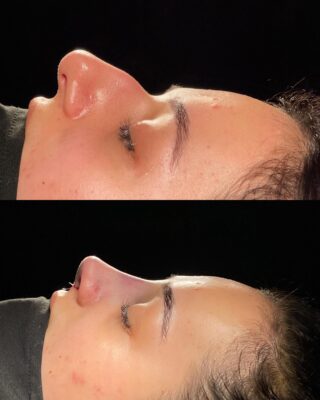
Aquiline Nose Rhinoplasty Before and After
Dr. Yunus Kaplan - Cases - Aquiline Nose Rhinoplasty Before and AfterAquiline nose rhinoplasty is [...]
Aug

Natural-Looking Rhinoplasty in Turkey from USA
Dr. Yunus Kaplan - Cases - Natural-Looking Rhinoplasty in Turkey from USANatural-looking rhinoplasty is focused [...]
Aug
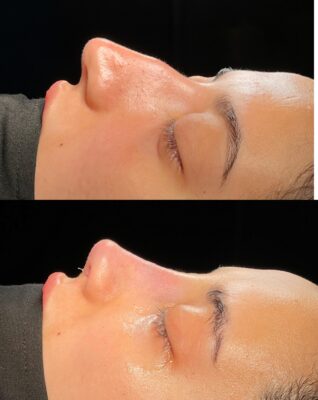
Natural Female Rhinoplasty Before and After
Dr. Yunus Kaplan - Cases - Natural Female Rhinoplasty Before and AfterNatural female rhinoplasty is [...]
Aug

Thick Skin Female Open Rhinoplasty Result
Dr. Yunus Kaplan - Cases - Thick Skin Female Open Rhinoplasty ResultThick skin female rhinoplasty [...]
Aug
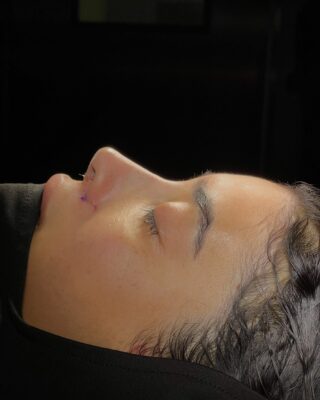
African American Rhinoplasty Before and After
Dr. Yunus Kaplan - Cases - African American Rhinoplasty Before and AfterAfrican American rhinoplasty is [...]
Aug
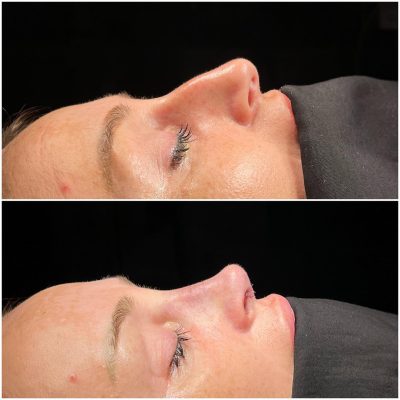
Female Revision Rhinoplasty Before and After
Dr. Yunus Kaplan - Cases - Female Revision Rhinoplasty Before and AfterFemale revision rhinoplasty is [...]
Aug

Female Rhinoplasty Result at 10 Months
Dr. Yunus Kaplan - Cases - Female Rhinoplasty Result at 10 MonthsA female rhinoplasty result [...]
Aug
Our Clinic


