


Revision Rhinoplasty in Turkey
Revision rhinoplasty in Turkey is a specialized surgical procedure designed to correct or improve the results of a previous nose surgery. This operation addresses both aesthetic concerns and functional issues that may remain or arise after an initial rhinoplasty. In Turkey, advanced surgical techniques and careful pre-operative planning are used to achieve natural, balanced outcomes while preserving or restoring nasal function. Istanbul, as a leading center for medical tourism, offers patients access to highly experienced surgeons and state-of-the-art clinics, ensuring a meticulous approach from consultation to recovery.
Revision rhinoplasty cost in Turkey depends on factors such as the complexity of the correction needed, whether structural grafting is required, and the chosen clinic or hospital. While revision procedures are generally more complex than primary rhinoplasty, Turkey remains a cost-effective option compared to many other countries. In Istanbul, patients benefit from modern medical facilities and transparent pricing structures without compromising on surgical quality or safety.
Revision rhinoplasty results in Turkey are known for their precision and ability to restore both aesthetics and function. Surgeons in Istanbul often focus on rebuilding nasal structures, refining the shape, and ensuring proper breathing. With individualized surgical plans and advanced techniques, patients can expect significant improvements that address previous dissatisfaction or complications.
Revision rhinoplasty reviews in Turkey often emphasize the skill of surgeons, the thoroughness of pre-surgical evaluations, and the supportive post-operative care. Many patients in Istanbul share positive experiences about regaining confidence, achieving a more balanced nasal appearance, and experiencing better breathing after their revision surgery.
Case Studies



Overview of Revision Rhinoplasty in Turkey

Anesthesia
General

Duration
3-4 hours

Hospital Stay
1 Day

Hotel Stay
7 Days

Recovery Time
6-12 months

Back to Work
1 Week
What Is Revision Rhinoplasty?
Revision rhinoplasty is a secondary surgical intervention performed to correct functional or aesthetic issues resulting from a previous rhinoplasty. This procedure aims to address problems such as breathing difficulties, nasal deformities, or asymmetry that arise after surgery. The surgeon reconstructs the nasal structure, often using cartilage tissues taken from areas like the septum, ear, or rib. Revision rhinoplasty can be more complex and risky compared to primary rhinoplasty because the altered nasal anatomy and existing scar tissues can complicate the operation. Additionally, the recovery process may be longer. It is generally recommended to wait at least one year after the first surgery before undergoing revision rhinoplasty.
What Are the Types of Revision Rhinoplasty?
Revision rhinoplasty is a secondary or corrective nasal surgery performed to address complications, unsatisfactory results, or structural issues from a previous rhinoplasty. The type of revision needed depends on the complexity and the specific aesthetic or functional concerns:
- Minor (Touch-Up) Revision: Involves small refinements to correct subtle asymmetries or irregularities.
- Moderate Revision: Addresses issues like minor breathing difficulties, dorsal hump, or tip asymmetry; may involve limited structural correction.
- Major (Complex) Revision: Requires significant reconstruction, often using cartilage grafts from the ear, rib, or septum to rebuild nasal structure.
- Functional Revision Rhinoplasty: Focuses on restoring or improving nasal airflow, often in combination with cosmetic adjustments.
- Open vs. Closed Technique: Open involves a small external incision for full visibility; closed is performed through nostril incisions and is less invasive.
How Is Revision Rhinoplasty Performed?
Revision rhinoplasty is a procedure applied to correct deformities and functional problems that occur after the first surgery. In this process, deformities in the nose are corrected, airway problems are resolved, and a more aesthetically balanced nasal structure is created. Cartilage grafts are commonly used during surgery, and the nose is reshaped. Grafts are usually obtained from different body areas.
- Septum
- Ear
- Rib
Revision procedures require managing scar tissue left from the first surgery and considering changes in skin elasticity. Attention is also paid to the structural integrity of the nasal septum to ensure natural airflow. The surgical plan for each patient is individually shaped based on the results of the previous surgery and existing problems. This requires the surgeon to make careful and detailed preparations.
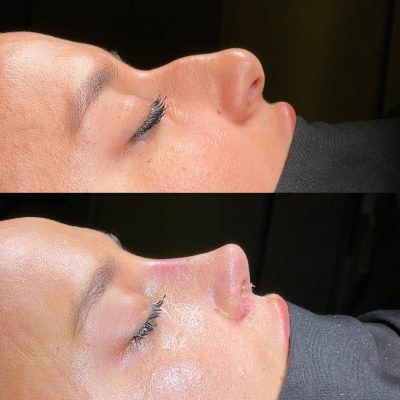
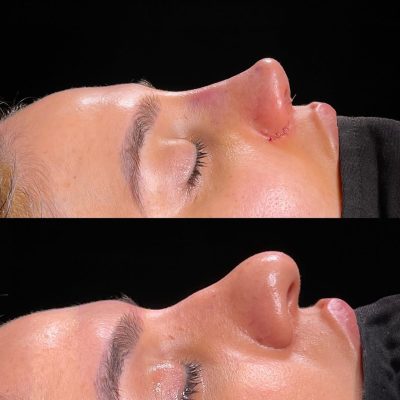
Revision Rhinoplasty in Turkey Before & After


When Is Revision Rhinoplasty Performed?
Revision rhinoplasty becomes necessary when the first surgery does not yield the desired results or when complications arise. This procedure, which can be performed for functional and aesthetic reasons, aims to correct issues such as nasal obstruction or asymmetry. Problems that occur during the healing process after the initial rhinoplasty or the failure of the nose to achieve the expected aesthetic appearance create the need for revision. The procedure requires careful surgical planning and precise execution.
The main reasons for revision rhinoplasty are:
- Nasal obstruction
- Septal deviation
- Nasal valve collapse
- Asymmetry
- Irregular nasal contours
- Visible dorsal hump
- Scar tissue issues
- Over or under resection of cartilage
Revision rhinoplasty is a procedure performed especially to correct structural problems and provide a more balanced appearance. This surgery offers aesthetic and functional improvement for patients who are not satisfied with the initial operation.
Who Is Not Suitable for Revision Rhinoplasty?
[arve url=”https://www.youtube.com/watch?v=jZ5PhYR6lCA” /]Revision rhinoplasty may not be suitable for every patient. This procedure should not be applied to individuals who carry risks due to certain patient, surgical, and anatomical factors. Firstly, patients with psychiatric issues, especially those experiencing body dysmorphic disorder (BDD), have a risk of dissatisfaction and complications after surgery. Patients with unrealistic expectations about the outcome of the surgery are also not among suitable candidates. Additionally, lifestyle habits can jeopardize the healing process and risk the success of the revision surgery.
Patients who are not suitable:
- Psychiatric disorders
- Unrealistic expectations
- Cocaine addiction
- Excessive smoking
- Boxing or similar physical activities
- Very young age
There may also be contraindications in patients with a surgical history. Especially in individuals who have undergone multiple nasal surgeries, successful revision is difficult due to structural damage and extensive scar tissue. Additionally, there may be cases where surgery will not provide benefits in severe anatomical deformities.
Surgical contraindications:
- Multiple previous surgeries
- Severe deformities
Anatomically, some patients are also not suitable for this procedure. Thin nasal skin or extensive scar tissue can increase the risk of poor healing. Additionally, if there is insufficient cartilage, the surgeon’s inability to obtain the material required for grafting may lead to the failure of the revision.
Anatomical contraindications:
- Thin nasal skin
- Scar tissue
- Insufficient cartilage
How Is Revision Rhinoplasty Applied?

Revision rhinoplasty is a complex operation performed to correct structural or aesthetic problems caused by the first surgery. This procedure aims to reshape the individual’s nasal structure and eliminate functional problems. The stages are carried out with careful planning.
- Preoperative evaluation
- Identification of functional and aesthetic issues
- Detailed nasal examination
- Surgical planning
- Dividing the nose into regions
- Use of cartilage grafts
- Open or closed surgical approach
- Shaping of cartilage
- Revision of scar tissue
- Correction of nasal asymmetry
- Postoperative care
- Use of nasal splints
- Monitoring the healing process
The challenges of this procedure increase due to pre-existing scar tissue, anatomical changes, and possible breathing problems. The surgeon carefully selects and applies cartilage and grafts to ensure that aesthetic and functional results are sustainable in the long term. At the same time, the healing process of revision rhinoplasty takes longer compared to primary rhinoplasty, and the patient may need to be closely monitored. Controlling scar tissue, successful integration of used grafts, and fully restoring nasal functions are vital for the success of revision rhinoplasty.
What Are the Side Effects of Revision Rhinoplasty?

Revision rhinoplasty is performed to correct complications or aesthetic dissatisfaction that occur after a primary rhinoplasty. However, this procedure carries a range of potential side effects and complication risks. These complications can be both functional and aesthetic and may produce challenging results for the patient. In revision surgery, some risks increase due to repeated surgical interventions and the anatomical difficulties brought by the previous surgery.
- Infection
- Scarring
- Weakening of nasal structure
- Asymmetry
- Prolonged swelling
- Numbness
- Bone callus
- Nasal obstruction
- Improper healing
Among these adversities, weakening of the nasal structure and difficulty in breathing are some of the most serious complications. Insufficient nasal support can also cause aesthetic problems. Additionally, conditions like prolonged swelling and bruising can further extend the patients’ recovery process. In some cases, numbness may be experienced in the nasal area, and this loss of sensation can be permanent.
Although revision surgery is performed to eliminate aesthetic dissatisfaction, achieving the desired results is not always guaranteed. Asymmetric results or incorrect placement of the graft may create the need for additional revision in the patient. These complications occur due to the difficulty of the process and the effect of scar tissue.
One of the main issues that can arise after a revision rhinoplasty procedure is improper healing or unsatisfactory aesthetic results. Although revision procedures are performed to solve these problems, the possibility that patients may need another surgical intervention should always be considered.
How Successful Is Revision Rhinoplasty?
Revision rhinoplasty is a surgical intervention with success rates varying between 70% and 80%. Although this rate is lower compared to primary rhinoplasty, a large portion of patients report satisfaction both aesthetically and functionally. In revision surgery, the risk of complications is higher due to the complexity of previous interventions and the individual’s anatomical structure.

How to Prepare Before Revision Rhinoplasty?
Before revision rhinoplasty, the patient must be carefully prepared for a successful operation and recovery process. This preparation process positively affects not only the surgical results but also the postoperative period. Both the surgeon and the patient should understand the importance of preoperative evaluations and planning. The surgeon should examine the patient’s medical history, assess breathing problems, previous surgery results, and existing aesthetic issues.
Initially, the following steps should be considered:
- Detailed medical history analysis
- Detailed examination of facial and nasal anatomy
- Evaluation of breathing problems
- Examination of scar tissue
- Use of high-resolution imaging
- Visualization of results with 3D simulations
It is vital for the surgeon to accurately determine the scope of the surgery and understand the patient’s expectations. The patient should clearly express concerns such as breathing difficulties or deformities in the nasal structure. Additionally, they should be informed about the limitations and potential risks of the surgery.
Psychological preparation is also part of this process. Emotional challenges may be experienced, especially for patients who are dissatisfied with previous surgeries. The surgeon should establish realistic goals to ensure that the patient has a correct understanding of what can be achieved with the surgery. Since revision rhinoplasty is a complex process, preoperative preparation should be handled meticulously.
How Should Postoperative Care Be After Revision Rhinoplasty?

Postoperative care after revision rhinoplasty is crucial for accelerating the healing process and achieving the best results. There are specific precautions and practices that the patient should pay attention to after the surgery. In the initial stage, to prevent complications such as swelling and bruising, it is necessary to rest in an appropriate position and regularly use the medications provided by the doctor. At the same time, attention should be paid to the hygiene of the surgical incisions. A comprehensive recovery process allows the patient to get through the postoperative period smoothly.
What to pay attention to in the first week:
- Keeping the head elevated
- Applying cold compresses
- Regular use of prescribed medications
- Avoid touching incisions
- Avoid strenuous activities
In the second week, the patient attends a scheduled follow-up appointment with the doctor to have dressings removed. Light activities can be resumed, but movements that could put pressure on the nose should definitely be avoided. Cleaning the inside of the nose with saline nasal sprays becomes important during this process. In the third and fourth weeks, nutrition is crucial for accelerating the healing process. Foods rich in protein and vitamins A and C should be consumed. It is possible to gradually return to normal activities, but heavy exercises should be avoided.
In the first and second months, the patient should continue doctor check-ups to closely monitor the healing process. During this period, it is of great importance to avoid applying any pressure to the nasal area, wearing glasses, and exposure to direct sunlight. Patience is required for the nose to settle into its shape, as the final results are fully visible only within a year.
In long-term care, the patient should maintain overall health and avoid habits that could put pressure on the nasal area. Factors such as smoking and excessive sun exposure can negatively affect the healing process.
How Much Does a Revision Rhinoplasty Cost in Turkey Compared to the US and UK?
Revision rhinoplasty in Turkey typically costs between $7,000 and $8,000, depending on the complexity of the case and the surgeon’s expertise. In contrast, the average cost in the United States ranges from $12,000 to $22,500, while in the United Kingdom it falls between £10,500 and £18,000. Turkey offers a cost-effective option for patients seeking high-quality revision procedures performed by skilled specialists.
Frequently Asked Questions
Why is revision rhinoplasty necessary?
Revision rhinoplasty is a secondary surgery performed to correct or improve the results of a previous nasal surgery. According to studies, the revision rate after rhinoplasty varies between 9.8% and 20%, depending on the surgeon’s experience and patient-related factors. Common issues requiring revision include asymmetry, insufficient nasal tip rotation, a drooping nasal tip, dorsal deformities, and breathing difficulties. Patient dissatisfaction is observed in approximately 15.4% of cases, often due to unmet aesthetic expectations or persistent functional problems. According to the American Academy of Facial Plastic and Reconstructive Surgery, there was a 70% increase in revision surgeries between 2020 and 2021. The success rate of revision rhinoplasty is around 80%, with significantly better outcomes when performed by experienced surgeons. Factors such as patient age, gender, and pre-existing nasal deformities can affect both the likelihood of requiring revision and postoperative satisfaction. Therefore, detailed preoperative evaluation and strong surgeon-patient communication are crucial to minimize the need for revision.
How long after the initial surgery can a revision be performed?
It is generally recommended to wait at least 12 months after the initial rhinoplasty before undergoing a revision. This time is necessary for complete healing, resolution of swelling, and stabilization of nasal tissues. Waiting during this period is essential to fully assess the results of the first surgery; otherwise, performing a revision too early may lead to complications due to unhealed tissues and produce undesirable outcomes.
Is revision surgery performed with an open or closed technique?
Revision rhinoplasty can be performed using either an open or closed technique, depending on the complexity of the procedure and the surgeon’s preference. The open technique involves a small incision between the nostrils, providing better visibility and is typically chosen for complex revisions. The closed technique, where all incisions are made inside the nose, leaves no external scars and is suitable for less complicated cases. Both methods have their advantages and potential complications, and the choice of technique is determined based on the patient’s needs and the surgeon’s expertise.
What are the risks of this surgery?
Revision rhinoplasty carries a 10.8% risk of requiring further revision and is often associated with issues such as inadequate nasal tip rotation (37.7%), hanging columella (30.2%), and supratip deformity (28.6%). Other complications include septal hematoma (2-3%), nasal bleeding (7-10%), and septal perforation (4-5%). Patients may also experience dissatisfaction due to nasal asymmetry (38%), airway obstruction (36%), or a bulbous nasal tip (33%). Temporary loss of smell, prolonged swelling, ruptured blood vessels, excessive scarring, skin loss, anesthesia complications, and additional cosmetic or functional problems may also occur. General complication rates range between 7.9% and 15.4%, while dissatisfaction rates can reach up to 15.4%.
What is the success rate of revision rhinoplasty?
Revision rhinoplasty, performed to correct or improve the results of an initial nasal surgery, has success rates that vary depending on several factors. Research indicates that patient satisfaction rates after revision rhinoplasty generally range between 70% and 80%. The need for revision after an initial rhinoplasty is approximately 9.8% to 10.8%. Revision rhinoplasty is frequently chosen to address issues such as nasal tip asymmetry, hanging columella, and supratip deformities. The success of the surgery also depends on factors such as the patient’s age, skin thickness, and the complexity of the nasal structure. Working with an experienced and skilled surgeon is crucial for achieving successful outcomes.
Latest Posts

Female Primary Rhinoplasty Before and After Photos
Dr. Yunus Kaplan - Cases - Female Primary Rhinoplasty Before and After PhotosFemale primary rhinoplasty [...]
Aug
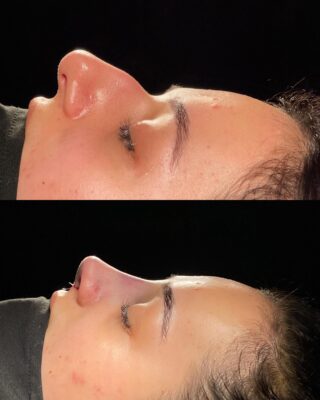
Aquiline Nose Rhinoplasty Before and After
Dr. Yunus Kaplan - Cases - Aquiline Nose Rhinoplasty Before and AfterAquiline nose rhinoplasty is [...]
Aug
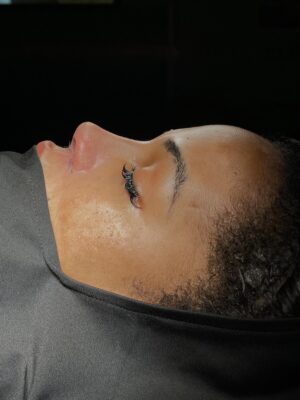
Natural-Looking Rhinoplasty in Turkey from USA
Dr. Yunus Kaplan - Cases - Natural-Looking Rhinoplasty in Turkey from USANatural-looking rhinoplasty is focused [...]
Aug
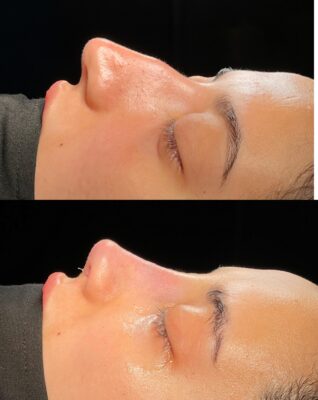
Natural Female Rhinoplasty Before and After
Dr. Yunus Kaplan - Cases - Natural Female Rhinoplasty Before and AfterNatural female rhinoplasty is [...]
Aug

Thick Skin Female Open Rhinoplasty Result
Dr. Yunus Kaplan - Cases - Thick Skin Female Open Rhinoplasty ResultThick skin female rhinoplasty [...]
Aug
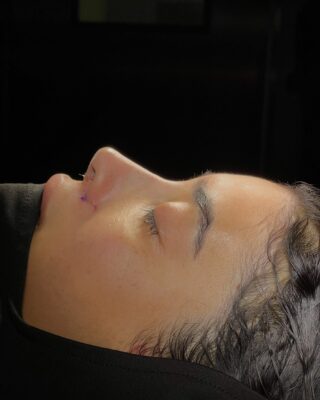
African American Rhinoplasty Before and After
Dr. Yunus Kaplan - Cases - African American Rhinoplasty Before and AfterAfrican American rhinoplasty is [...]
Aug
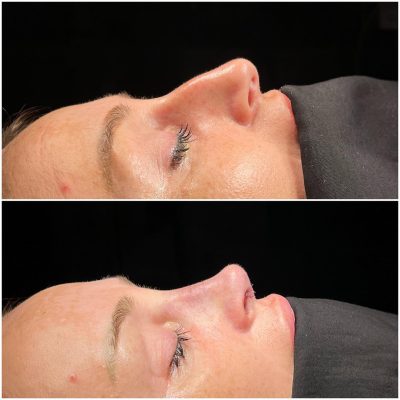
Female Revision Rhinoplasty Before and After
Dr. Yunus Kaplan - Cases - Female Revision Rhinoplasty Before and AfterFemale revision rhinoplasty is [...]
Aug

Female Rhinoplasty Result at 10 Months
Dr. Yunus Kaplan - Cases - Female Rhinoplasty Result at 10 MonthsA female rhinoplasty result [...]
Aug
Our Clinic


