


Male Rhinoplasty in Turkey
Male rhinoplasty in Turkey is tailored to improve the shape and function of the nose while maintaining strong, masculine facial features. In Istanbul, expert surgeons use advanced techniques to deliver natural, balanced results that enhance appearance and breathing, supported by modern clinics and attentive aftercare.
Male rhinoplasty cost in Turkey generally ranges between 5,000 and 7,000 USD, depending on the complexity of the surgery, whether functional corrections are required, and the selected clinic. Istanbul offers world-class facilities and experienced specialists, ensuring high-quality results at competitive and transparent prices.
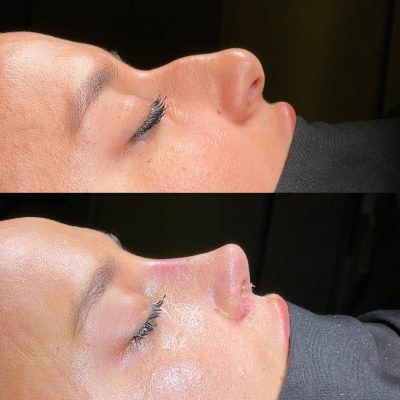
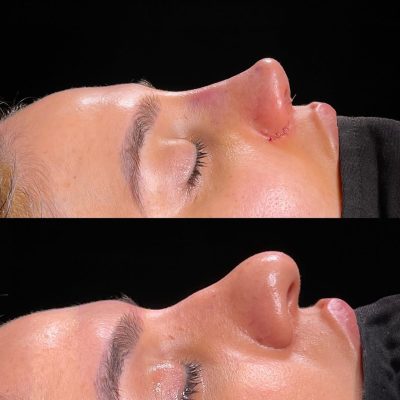
Male rhinoplasty results in Turkey are known for precision and long-term satisfaction. Surgeons in Istanbul customize each procedure to the patient’s facial proportions and goals, achieving natural-looking improvements without compromising nasal function. Careful planning and refined techniques ensure results that are both aesthetic and functional.
Male rhinoplasty reviews in Turkey often highlight the professionalism of surgeons, the comfort of recovery, and the authenticity of results. Many patients in Istanbul report enhanced self-confidence, better breathing, and improved facial balance, making the city a leading destination for this specialized procedure.
Case Studies



Overview of Male Rhinoplasty in Turkey

Anesthesia
General

Duration
3-4 hours

Hospital Stay
1 Day

Hotel Stay
7 Days

Recovery Time
6-12 months

Back to Work
1 Week
What Is Male Rhinoplasty?

Male rhinoplasty is a surgical procedure aimed at reshaping the nose both aesthetically and functionally. This operation corrects nasal deformities by preserving or emphasizing the natural masculine structure of male facial features. Rhinoplasty is usually preferred due to aesthetic concerns such as a large nasal hump, asymmetric nose, or wide nasal tip. It can also be applied to correct breathing problems like a deviation. The skin structure and nasal anatomy of male patients require this procedure to be performed with a different approach compared to females. Advances in technology allow this surgery to provide more natural and masculine results, while the implants and materials used are regulated by the FDA.
What Are the Types of Male Rhinoplasty?
Male rhinoplasty is performed to enhance nasal appearance or function while maintaining masculine facial features. Techniques vary based on aesthetic goals and structural concerns:
- Cosmetic Male Rhinoplasty: Focuses on refining the nose while preserving a strong, angular profile—commonly addresses dorsal humps, bulbous tips, or asymmetries.
- Functional Male Rhinoplasty: Aims to correct breathing issues such as a deviated septum or collapsed nasal valves.
- Revision Male Rhinoplasty: Performed to correct or improve the outcome of a previous nasal surgery.
- Preservation Rhinoplasty: Maintains key nasal structures (like the dorsum) to achieve a natural, non-operated look.
- Closed vs. Open Technique: Closed involves incisions inside the nostrils; open allows full visibility through a small external incision. Choice depends on the complexity of the case.
How Is Male Rhinoplasty Performed?
Male rhinoplasty is an operation performed for both aesthetic and functional purposes. This procedure aims to reshape the nose while preserving masculine facial features. A straighter nasal bridge and a more defined and stronger nasal tip are the main aesthetic goals of male rhinoplasty. During the operation, the structural and functional elements of the nose are also addressed. The surgeon intervenes in the bone and cartilage structures of the patient’s nose and corrects breathing problems if necessary.
- Osteotomies
- Cartilage grafts
- Septoplasty
- Soft tissue manipulation
Male rhinoplasty is usually performed under general anesthesia. The duration of the surgery may vary depending on the patient’s needs. The postoperative recovery process also varies from person to person, and it may take several months for nasal swelling to completely subside. Results depend on surgical skill and the patient’s anatomical structure.
When Is Male Rhinoplasty Performed?
Male rhinoplasty is performed for both functional and cosmetic purposes. Functional indications aim to eliminate structural problems that cause obstruction of the nasal airway. This includes correcting issues like septal deviation that cause difficulty in breathing. Additionally, trauma-related deformities are treated with rhinoplasty. Cosmetically, the aim is to improve male facial features and preserve a masculine appearance. Therefore, male patients aim for a natural and strong look.
Functional reasons:
- Septal deviation
- Valve collapse
- Nasal trauma
- Cosmetic reasons:
- Hump on the nasal bridge
- Wide nasal bones
- Deformities in the nasal tip
In male rhinoplasty, surgeons must balance facial proportions while considering thicker skin and stronger bone structures. In surgical planning, the patient’s facial symmetry and psychological state are carefully evaluated. As a result, a personalized approach is required for each patient.
Who Is Not Suitable for Male Rhinoplasty?
[arve url=”https://www.youtube.com/watch?v=jZ5PhYR6lCA” /]Male rhinoplasty may not be a suitable option for every candidate. Physical and psychological conditions before surgery should be carefully evaluated. The following conditions may constitute contraindications for rhinoplasty, and surgery is not recommended for these individuals:
- Psychological or psychiatric disorders
- Body Dysmorphic Disorder (BDD)
- Nasal drug use
- SIMON syndrome
- Uncontrolled diabetes
- Heart problems
- Health problems posing anesthesia risks
Additionally, individuals with unrealistic aesthetic expectations may not be satisfied with this operation. Surgeons perform a detailed evaluation to determine whether candidates are suitable for surgery both physically and mentally. In this process, an effort is made to make the healthiest decision by considering the candidate’s nasal anatomy, skin structure, and overall health condition. Careful selection of suitable candidates is of critical importance for a healthy and positive outcome.
How Is Male Rhinoplasty Applied?

Male rhinoplasty is applied with a special approach aimed at preserving masculine facial features while balancing aesthetic and functional goals. The procedure usually begins with a consultation where the patient’s goals and facial anatomy are evaluated. The surgical method is determined based on the complexity of the nasal structure.
- Open rhinoplasty
- Closed rhinoplasty
The surgeon shapes the nasal bone and cartilage according to the patient’s needs. During the procedure, aesthetic problems such as protrusions on the nasal hump, nasal asymmetry, and wide nostrils are addressed. Functional issues like a deviated septum can also be corrected.
The surgery is performed under general anesthesia, and the nasal tip, nasal bridge, or nostrils may be thinned. Swelling and discomfort may occur during the recovery process, and it may take up to a year for the final results to appear. Careful follow-up after surgery and avoiding strenuous activities during the healing process are important.
What Are the Side Effects of Male Rhinoplasty?
Although male rhinoplasty generally yields successful results, it carries some risks and side effects like any surgical intervention. These effects can manifest in the postoperative period both in the short term and in the long term. Postoperative complications and long-term risks should be considered, and patients should be informed about possible outcomes.
Short-term complications:
- Swelling
- Bruising
- Numbness
- Infection
- Bleeding
Esthetic and functional complications:
- Breathing difficulties
- Septal perforation
- Unsatisfactory results
- Asymmetry
- Scarring
- Long-term risks:
- Changes in shape
- Need for revision
It should be remembered that after surgery, the nasal structure may change shape over time, and the final result may take months or even years. Additionally, the need for revision rhinoplasty may be inevitable in some cases, although not in every patient. Having realistic expectations is an important factor for a successful outcome.
How Successful Is Male Rhinoplasty?
The success rate of male rhinoplasty varies depending on various factors. The surgeon’s experience, the patient’s expectations, and the postoperative recovery process can directly affect this success. Scientific data indicate that satisfaction rates in men are lower compared to women. Especially in male rhinoplasty, balancing aesthetic and functional expectations is difficult, which is an important factor affecting the success rate.
- Surgical technique
- Patient expectations
- Psychological condition
- Recovery process
- Functional improvements
Revision surgeries after male rhinoplasty are more common compared to females. This may be due to the thicker skin structure and stronger bone-cartilage structures in men making it difficult to predict the outcomes of the surgery. Nevertheless, it is possible to achieve natural and aesthetic results when correct surgical techniques are used and patient expectations are correctly determined.
How to Prepare Before Male Rhinoplasty?
Preparing carefully before male rhinoplasty is necessary for a successful operation and a smooth recovery process. The surgeon conducts a detailed discussion with the patient to understand aesthetic and functional goals. Nasal structure and skin thickness are important factors for men. The medical evaluation to be performed before the procedure is important to determine whether the patient’s overall health condition is suitable for surgery. Surgeons often resort to computerized imaging techniques to manage expectations. Patients are advised to quit habits and medications that may negatively affect recovery.
When planning male rhinoplasty, thicker skin and stronger cartilage structures compared to women are generally considered. These anatomical features affect the surgeon’s technical approach and require special attention to achieve more masculine results.
How Should Postoperative Care Be After Male Rhinoplasty?
Postoperative care after male rhinoplasty includes steps that need to be meticulously followed for a successful recovery process. To minimize side effects such as swelling, bruising, and discomfort after surgery and to prevent unwanted complications, certain guidelines must be followed. Careful care during the recovery process also positively affects the final result of the surgery.
First of all, the head should be kept elevated, and sufficient rest should be provided. Applying cold compresses in the first few days after surgery is an important step to reduce bruising and swelling. Medications prescribed should be used regularly to control pain and discomfort. However, medications that may increase bleeding, such as aspirin and ibuprofen, should be avoided. For nasal care, saline nasal spray should be used, and the inside of the nostrils should be gently cleaned.
- Resting with the head elevated
- Cold compresses for the first 72 hours
- Use of prescribed painkillers and antibiotics
- Nasal cleaning with saline nasal spray
- Gentle cleaning of the nostrils
Restricting activities is also very important during this period. Especially during the first few weeks, heavy lifting, bending, and strenuous exercises should be avoided. Light walks are recommended to increase blood circulation and prevent blood clots. Additionally, direct exposure to sunlight can cause pigmentation problems in the skin, so it is recommended to use sunscreen and avoid the sun for at least six months.
- Avoiding heavy lifting
- Avoiding strenuous exercise
- Taking light walks
- Using sunscreen
For eyeglass wearers, a special arrangement should be made to prevent glasses from putting pressure on the nose. Glasses should not rest on the nose for eight weeks. Finally, it may require a recovery period of one year for the swelling to completely subside and the nose to take its final shape.
How Much Does a Male Rhinoplasty Cost in Turkey Compared to the US and UK?
Male rhinoplasty in Turkey is generally priced between $6,000 and $7,000. The procedure focuses on maintaining masculine facial characteristics while improving nasal function or aesthetics. In comparison, male rhinoplasty in the US costs around $12,000 to $22,500, and in the UK between £10,500 and £18,000, making Turkey an appealing choice for many international patients.
Frequently Asked Questions
How does rhinoplasty for men differ from that for women?
Rhinoplasty for men differs from women due to their stronger nasal structures and thicker skin, which often require larger noses, more pronounced dorsal humps, and sharper angles. Men typically desire a straight nasal dorsum and a defined, angular nasal tip to achieve a more masculine appearance. In contrast, women often prefer slightly elevated nasal tips and softer, elegant contours. Male rhinoplasty focuses on maintaining structural support to achieve a masculine look, whereas female rhinoplasty emphasizes gently shaping the nasal tip and dorsum.
How is the ideal nasal shape for men determined?
Male rhinoplasty aims to create a nose that harmonizes with facial features while preserving masculine characteristics. The ideal nasal shape for men typically includes a straight nasal dorsum, a nasofrontal angle between 115-130 degrees, and a nasolabial angle between 90-95 degrees. The nasal tip should be well-defined but not overly upturned, and the nasal width should be proportionate to the face. The Golden Ratio is often applied to ensure alignment with aesthetic standards. Additionally, cultural and individual preferences play a significant role in determining the ideal nasal shape for each patient.
How is a natural look achieved in male rhinoplasty?
A natural appearance in male rhinoplasty is achieved by maintaining a strong nasal dorsum and a defined but not exaggerated nasal tip. Surgeons may use cartilage grafts to enhance nasal tip definition while preserving its natural appearance. Detailed preoperative planning, measurements, and computer imaging help align the surgical plan with the patient’s facial structure and aesthetic goals. This careful approach ensures a result that is harmonious with the face and appears natural.
Is the recovery process different for men?
The recovery process for male rhinoplasty can differ from that of women due to anatomical differences. Men generally have thicker nasal skin and denser cartilage, which can result in more noticeable swelling and bruising, potentially extending the recovery period. Initial recovery typically lasts 1-2 weeks, while full healing and final aesthetic results may take up to a year. Following postoperative care instructions is crucial to prevent complications and achieve the best outcomes.
What are the most commonly used techniques in male rhinoplasty?
Male rhinoplasty commonly involves procedures such as profile correction, nasal tip reshaping, and septal adjustments. One of the most frequently used techniques is open rhinoplasty, chosen for its enhanced visibility and precision in correcting nasal structures. Additionally, preservation rhinoplasty has gained popularity in recent years for achieving natural nasal shapes without excessive thinning. Preserving masculine features is a key priority in male rhinoplasty, and procedures such as nasal bone adjustments and internal deviation corrections are also widely performed. Preoperative planning and computer visualization ensure that the results align with the patient’s expectations.
Latest Posts

Female Primary Rhinoplasty Before and After Photos
Dr. Yunus Kaplan - Cases - Female Primary Rhinoplasty Before and After PhotosFemale primary rhinoplasty [...]
Aug
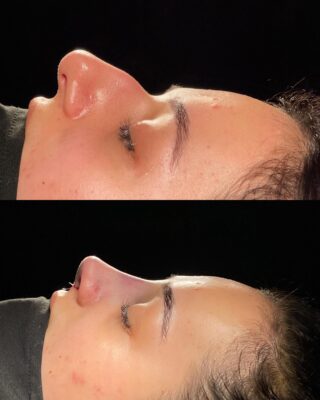
Aquiline Nose Rhinoplasty Before and After
Dr. Yunus Kaplan - Cases - Aquiline Nose Rhinoplasty Before and AfterAquiline nose rhinoplasty is [...]
Aug
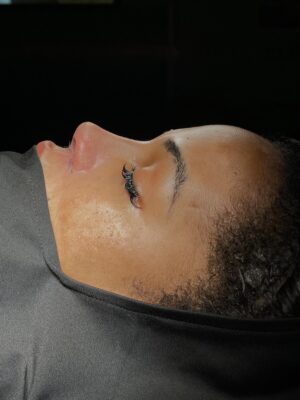
Natural-Looking Rhinoplasty in Turkey from USA
Dr. Yunus Kaplan - Cases - Natural-Looking Rhinoplasty in Turkey from USANatural-looking rhinoplasty is focused [...]
Aug
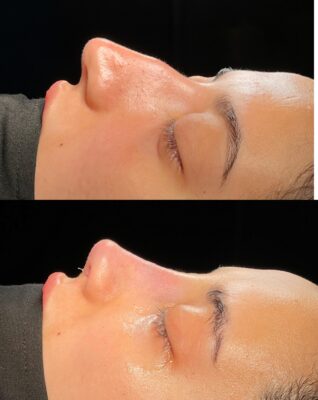
Natural Female Rhinoplasty Before and After
Dr. Yunus Kaplan - Cases - Natural Female Rhinoplasty Before and AfterNatural female rhinoplasty is [...]
Aug

Thick Skin Female Open Rhinoplasty Result
Dr. Yunus Kaplan - Cases - Thick Skin Female Open Rhinoplasty ResultThick skin female rhinoplasty [...]
Aug
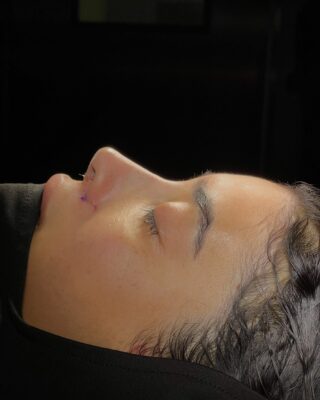
African American Rhinoplasty Before and After
Dr. Yunus Kaplan - Cases - African American Rhinoplasty Before and AfterAfrican American rhinoplasty is [...]
Aug
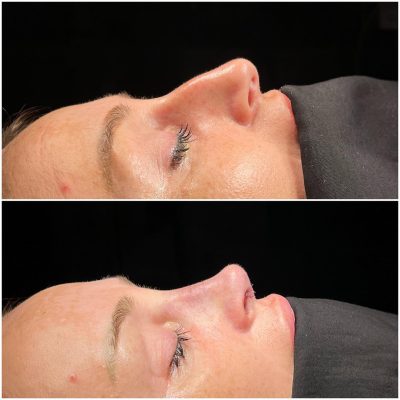
Female Revision Rhinoplasty Before and After
Dr. Yunus Kaplan - Cases - Female Revision Rhinoplasty Before and AfterFemale revision rhinoplasty is [...]
Aug

Female Rhinoplasty Result at 10 Months
Dr. Yunus Kaplan - Cases - Female Rhinoplasty Result at 10 MonthsA female rhinoplasty result [...]
Aug
Our Clinic


