


Open Rhinoplasty in Turkey
Open rhinoplasty in Turkey is a surgical technique used to reshape the nose with maximum precision and visibility. This method involves a small incision at the columella, allowing surgeons in Istanbul to access nasal structures directly, making it ideal for complex cases or detailed aesthetic and functional corrections.
Open rhinoplasty cost in Turkey typically ranges between 5,000 and 7,000 USD, depending on the complexity of the procedure, the need for structural grafting, and the chosen clinic. Istanbul offers state-of-the-art medical facilities and experienced surgeons, providing high-quality care at competitive prices for both local and international patients.
Open rhinoplasty results in Turkey are known for accuracy and predictable outcomes. The technique allows for meticulous adjustments to nasal shape, structure, and symmetry while improving breathing function if needed. Surgeons in Istanbul use advanced planning and refined skills to achieve long-lasting, natural-looking results.
Open rhinoplasty reviews in Turkey often emphasize patient satisfaction with the precision of the surgery, the thoroughness of pre-operative planning, and the quality of post-operative care. Many in Istanbul praise the natural outcomes, improved function, and overall enhancement in facial harmony following the procedure.
Case Studies



Overview of Open Rhinoplasty in Turkey

Anesthesia
General

Duration
3-4 hours

Hospital Stay
1 Day

Hotel Stay
7 Days

Recovery Time
6-12 months

Back to Work
1 Week
What Is Open Rhinoplasty?

Open rhinoplasty is a surgical method used to solve aesthetic or functional problems of the nose. In this procedure, a small incision is made on the tissue called the columella, which separates the nostrils, and the nasal skin is carefully lifted. This allows the surgeon direct access to the bone and cartilage structures of the nose. This method is preferred in cases where the nose needs to be reshaped and is particularly beneficial for complex changes to the nasal tip. Open rhinoplasty became popular in the early twentieth century and became even more widespread due to advancements in surgical techniques after the war.
What Are the Types of Open Rhinoplasty?
Open rhinoplasty involves a small external incision at the columella (the tissue between the nostrils), providing full visibility and access to the nasal structures. It is ideal for complex or detailed nasal work. The main types include:
- Structural Open Rhinoplasty: Focuses on rebuilding or reshaping the nose using grafts to enhance support and definition.
- Reduction Open Rhinoplasty: Removes excess bone or cartilage to reduce nasal size, commonly for dorsal hump correction or tip refinement.
- Augmentation Open Rhinoplasty: Adds volume or projection using cartilage grafts or implants, often for flat bridges or under-projected tips.
- Functional Open Rhinoplasty: Corrects internal nasal issues such as a deviated septum or airway obstruction while allowing precise reconstruction.
- Revision Open Rhinoplasty: Used in complex secondary surgeries where visibility is critical to correct or rebuild previously altered structures.
How Is Open Rhinoplasty Performed?
Open rhinoplasty is a technique that allows the surgeon direct access to the nasal structure. In this method, a small incision is made in the area called the columella between the nostrils, and this incision is connected with other marginal incisions made to the nasal cartilages. This provides the surgeon with a wide field of view to the lower and upper lateral cartilages and the nasal bones. It is used especially in correcting severe deformities and functional problems.
During this surgery, the structures the surgeon accesses are:
- Lower lateral cartilages
- Upper lateral cartilages
- Nasal bones
Open rhinoplasty is ideal for making structural and aesthetic improvements. Particularly in conditions like septal deviation and nasal valve collapse, this method allows the surgeon to directly see the nasal anatomy and make precise corrections. Additionally, cartilage grafts can be placed, and septal adjustments can be made during the surgery.
Because the open technique provides more visibility, it allows the surgeon to achieve safer and more effective results in more complex cases. The incision scars formed after surgery usually heal inconspicuously and do not create an aesthetically disturbing appearance. This technique, which offers more intervention opportunities compared to closed rhinoplasty, allows the surgeon to better analyze all structures in the nose, supporting more successful long-term results.

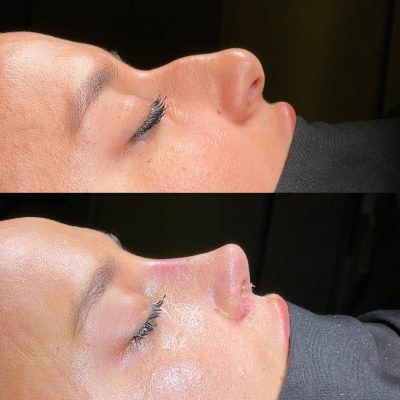
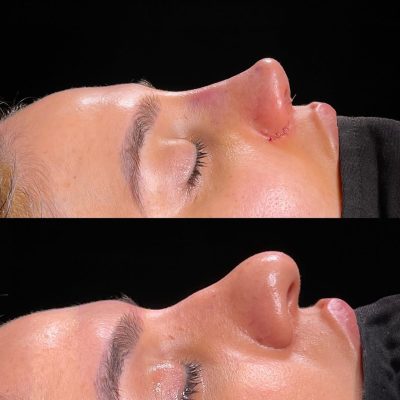
Open Rhinoplasty in Turkey Before & After


When Is Open Rhinoplasty Performed?
Open rhinoplasty is used in situations that require complex and precise nasal reshaping by providing better access to the nasal structure for the surgeon. This technique, especially preferred in significant structural changes and revision surgeries, offers a wider field of view and allows the surgeon to make fine adjustments. Open rhinoplasty is preferred in the following situations:
- Complex nasal deformities
- Septal deviation
- Dorsal nasal irregularities
- Revision rhinoplasty
- Congenital nasal anomalies
- Breathing problems
Open rhinoplasty is also used when significant changes in the nasal structure or correction of complications from previous surgeries are necessary. During the surgery, the nasal skin is carefully lifted, allowing both aesthetic and functional issues to be addressed. This technique provides the surgeon with more control over the nasal tip and internal structures, resulting in better aesthetic and functional outcomes.
Who Is Not Suitable for Open Rhinoplasty?
[arve url=”https://www.youtube.com/watch?v=jZ5PhYR6lCA” /]Open rhinoplasty may not be suitable for some patients, and evaluating this beforehand is crucial for the safety of the surgical process. For the surgery to be successful, patients’ general health status, psychological makeup, and existing medical conditions should be considered. The following health issues and conditions stand out among patient groups that are not suitable:
- Obstructive sleep apnea
- Cocaine addiction
- Bleeding disorders
- Unstable mental health
- Previous rhinoplasties (within 12 months)
- Cardiovascular problems
- Severe diabetes
- Pregnancy
- Smoking
Among the contraindications for surgery, patients who carry the risk of complications related to anesthesia and those with serious diseases affecting the heart and blood circulation stand out. Additionally, the patient’s psychological state is important; their expectations after surgery should be realistic, and their psychological balance should be stable. For patients who smoke, it is strongly recommended to quit smoking before surgery, as smoking can negatively affect the healing process.
While open rhinoplasty is an effective method for correcting complex nasal deformities, it may not be suitable for every patient. Especially scars from previous surgical interventions can negatively affect the healing process and lead to additional complications. Therefore, the doctor’s preoperative evaluation and detailed examination of the patient’s medical history are critical steps.
How Is Open Rhinoplasty Applied?

Open rhinoplasty is an aesthetic and functional surgical method usually applied in cases requiring significant structural changes. The procedure is performed with an open incision to provide full access to the nasal structure and to perform more complex reshaping. While reshaping the nose, both aesthetic appearance and functional improvements are targeted. Here is the step-by-step process of open rhinoplasty:
- Anesthesia is administered
- A small incision is made on the columella area
- The nasal skin is lifted
- Access to cartilage and bone structures is provided
- Cartilage is removed or added
- Incisions are carefully sutured
During this process, the surgeon evaluates the patient’s nasal anatomy and personalizes the procedure according to their needs. For example, if significant changes will be made to the nasal tip, a cartilage graft may be used. If the patient has breathing difficulties, septal deviation can be corrected. In the postoperative recovery period, external splints and internal tampons applied support the nose and accelerate the healing process. Swelling and bruising usually subside within the first few weeks. The surgeon’s experience is one of the most important factors that directly affect the healing process and the outcome of the surgery.
What Are the Side Effects of Open Rhinoplasty?
Open rhinoplasty is a surgical method applied to achieve successful results, but like every surgical procedure, it can lead to some side effects and complications. These side effects can vary depending on the difficulty level of the surgery, the patient’s anatomical features, and the healing process. Some of the most common side effects are:
- Risk of infection
- Bleeding and hematoma
- Visible scarring
- Nasal congestion
- Aesthetic dissatisfaction
- Temporary or permanent numbness
- Septal perforation
- Skin necrosis
These conditions, which are among the possible postoperative complications, can usually be controlled with appropriate treatment and a careful healing process. The surgeon informs the patient about risks and possible outcomes before surgery. Also, situations requiring revision are not uncommon and are considered an option for patients experiencing aesthetic dissatisfaction.
How Successful Is Open Rhinoplasty?
Open Rhinoplasty in Turkey Before & After
Open rhinoplasty generally yields quite high results in terms of success rates. In surgeries performed targeting both aesthetic and functional goals, most patients achieve significant levels of satisfaction. When performed by experienced surgeons, success rates vary between 85% and 95%. Improvements are recorded in patients’ nasal shape and breathing function.
Success rates vary depending on the following factors:
- Purpose of the surgery
- Complexity of the deformity in the case
- Surgeon’s experience
- Patient’s healing process
Cases requiring revision surgeries are generally reported between 5% and 15%. Serious complications are rare, but some patients may experience mild swelling or bruising for a few weeks. Additionally, although the likelihood of experiencing dissatisfaction with the appearance and function of the nose after surgery is low, individual factors can affect the result. Therefore, open rhinoplasty should be carefully planned and applied according to the patient’s needs.
How to Prepare for Open Rhinoplasty?
Preparing for open rhinoplasty is vital for a successful operation and recovery process. At this stage, there are many steps the patient needs to pay attention to, and each should be carefully implemented.
Firstly, the patient needs to have a detailed consultation with their surgeon. During this consultation, the nasal structure is evaluated, and the patient’s expectations from the surgery are clarified. Additionally, medical history and current health problems are reviewed.
Medical tests to be done before surgery are also an important preparation step. The surgeon may request some tests if deemed necessary. These include blood tests, respiratory function tests, and physical examination. Also, recommendations such as discontinuing certain medications and quitting smoking may be given.
- Quitting smoking
- Discontinuing aspirin and similar blood-thinning medications
- Blood tests
- Respiratory function tests
- Physical examination
On the night before surgery, patients are usually given detailed instructions. If general anesthesia is planned, they are asked to fast for a certain period. Additionally, transportation should be arranged in advance as they cannot drive after surgery.
It is important for the patient to be mentally and psychologically prepared on the day of surgery. The surgeon plans the exact procedure in advance and may organize preoperative 3D modeling sessions in some cases. To create realistic expectations, the patient should be reminded that the recovery process can be long and that some scars may remain.
How Should Post-Open Rhinoplasty Care Be?

Post-open rhinoplasty care should be carefully followed to accelerate the healing process and minimize possible complications. It is very important to follow the surgeon’s recommendations in the postoperative period. There are some important points that the patient should pay attention to during the recovery process:
- Keep the head elevated
- Avoid blowing the nose
- Pay attention to nasal hygiene
- Limit physical activities
- Cold compress can be applied
- Prefer a healthy diet
- Avoid smoking and alcohol
- Attend follow-up appointments regularly
During this period, touching the surgical area should be avoided, and medications prescribed by the doctor should be used regularly. Swelling and bruising are usually natural results of the surgery, but these symptoms decrease over time. If wearing glasses is necessary, using lenses instead of glasses may be recommended for a certain period according to the doctor’s advice. The healing process can vary from person to person, so patience is necessary, and communication with the doctor should be maintained. Being careful to protect the nose and support the healing process in the postoperative period contributes to more successful long-term results.
How Much Does an Open Rhinoplasty Cost in Turkey Compared to the US and UK?
Open rhinoplasty in Turkey usually costs between $6,000 and $7,000. It allows for greater surgical precision in complex cases, especially when structural changes are needed. In the US, open rhinoplasty can cost between $12,000 and $22,500, and in the UK, between £10,500 and £18,000, positioning Turkey as a budget-friendly alternative for high-quality care.
Frequently Asked Questions
When is open rhinoplasty preferred?
Open rhinoplasty is typically preferred for situations such as nasal tip modifications, a wide nasal tip, deformities in the nasal septum, post-trauma shape irregularities, nasal valve dysfunctions, repair of septal perforations, major changes requiring tissue grafting, and congenital deformities. This method provides greater visibility, allowing for precise structural changes and graft placements. However, it may leave a scar and requires a longer recovery period.
How does this method differ from closed rhinoplasty?
Open rhinoplasty involves a small incision between the nostrils, providing the surgeon direct access to the tissues beneath the nasal structure. This method is chosen for more complex cases or when significant alterations to the nasal structure are needed, as it offers greater visual clarity and precision in shaping. However, open rhinoplasty may leave a visible scar and has a longer recovery time compared to closed rhinoplasty. In closed rhinoplasty, all incisions are made inside the nose, leaving no external scars, and recovery is usually faster. However, this approach is suitable only for less extensive modifications. Both techniques are selected based on the surgeon’s expertise and the patient’s needs.
Does open rhinoplasty leave a scar?
Open rhinoplasty involves a small incision in the area between the nostrils, which may leave a visible scar. However, this scar typically fades significantly within 3 to 6 months, as facial skin heals well. Most patients are satisfied with their post-operative appearance, and only a small percentage of scars remain noticeable. The type of incision can also affect scar visibility; for example, inverted V-shaped incisions tend to yield better results compared to horizontal cuts. Overall, while there is a risk of scarring after open rhinoplasty, these scars usually diminish over time and are not a major concern for most patients.
What is the recovery process like after open rhinoplasty?
The recovery process following open rhinoplasty is generally characterized more by pressure or congestion in the nasal area rather than severe pain. Swelling and bruising are common, peaking around the 2nd or 3rd day after surgery and subsiding within 2 weeks. Keeping the head elevated and applying cold compresses is recommended. Post-operative nasal congestion may persist for several weeks. Light activities can be resumed after 1 week, but strenuous exercises should be avoided for at least 2 weeks. Complete healing and the final shape of the nose may take up to 1 year.
What are the advantages and disadvantages of this method?
Open rhinoplasty provides better visibility of nasal structures and is particularly beneficial for complex cases or revision surgeries. However, this method may leave a small, visible scar on the columella and usually requires a longer recovery period, as swelling and tissue trauma may be more pronounced.
Latest Posts

Female Primary Rhinoplasty Before and After Photos
Dr. Yunus Kaplan - Cases - Female Primary Rhinoplasty Before and After PhotosFemale primary rhinoplasty [...]
Aug
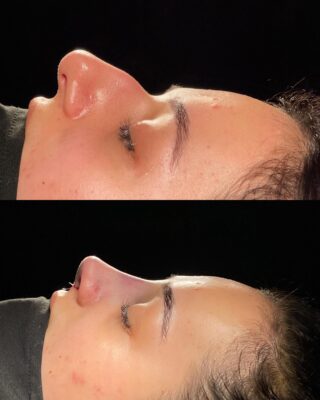
Aquiline Nose Rhinoplasty Before and After
Dr. Yunus Kaplan - Cases - Aquiline Nose Rhinoplasty Before and AfterAquiline nose rhinoplasty is [...]
Aug
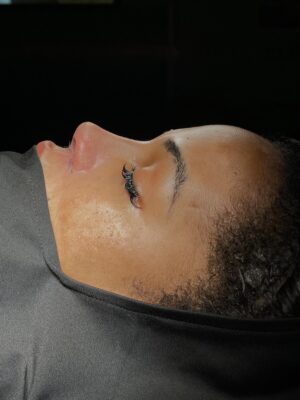
Natural-Looking Rhinoplasty in Turkey from USA
Dr. Yunus Kaplan - Cases - Natural-Looking Rhinoplasty in Turkey from USANatural-looking rhinoplasty is focused [...]
Aug
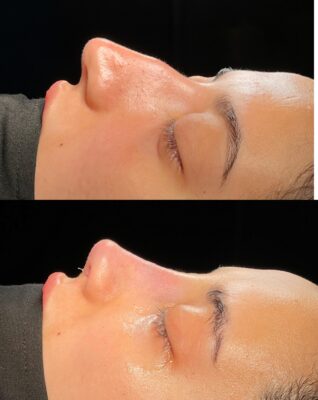
Natural Female Rhinoplasty Before and After
Dr. Yunus Kaplan - Cases - Natural Female Rhinoplasty Before and AfterNatural female rhinoplasty is [...]
Aug

Thick Skin Female Open Rhinoplasty Result
Dr. Yunus Kaplan - Cases - Thick Skin Female Open Rhinoplasty ResultThick skin female rhinoplasty [...]
Aug
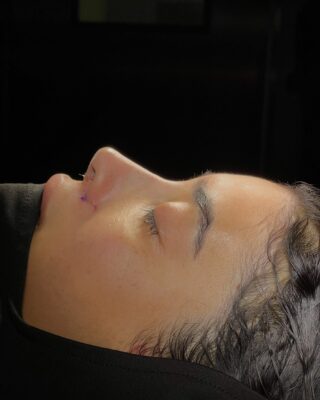
African American Rhinoplasty Before and After
Dr. Yunus Kaplan - Cases - African American Rhinoplasty Before and AfterAfrican American rhinoplasty is [...]
Aug
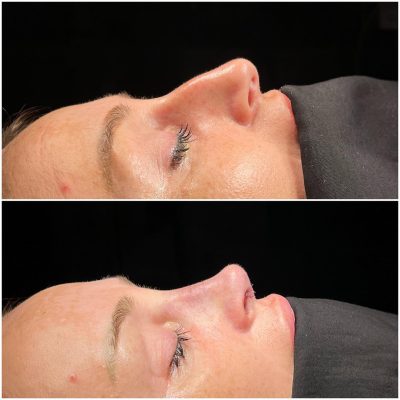
Female Revision Rhinoplasty Before and After
Dr. Yunus Kaplan - Cases - Female Revision Rhinoplasty Before and AfterFemale revision rhinoplasty is [...]
Aug

Female Rhinoplasty Result at 10 Months
Dr. Yunus Kaplan - Cases - Female Rhinoplasty Result at 10 MonthsA female rhinoplasty result [...]
Aug
Our Clinic


