


Nasal Tip Surgery (Tipplasty) in Turkey
Nasal tip aesthetics, or tipplasty, in Turkey is a focused surgical procedure to refine the shape, projection, or symmetry of the nasal tip without altering the rest of the nose. In Istanbul, skilled surgeons use advanced techniques to create natural, balanced results that enhance facial harmony while preserving nasal function.
Nasal tip aesthetics cost in Turkey generally ranges between 5,000 and 7,000 USD, depending on the complexity of the correction, cartilage work required, and the chosen clinic. Istanbul offers modern medical facilities and experienced specialists, making it a cost-effective choice for patients seeking targeted nasal refinement.
Nasal tip aesthetics results in Turkey are known for precision and subtlety. Surgeons in Istanbul tailor each procedure to match the patient’s facial proportions and goals, ensuring the tip is refined without appearing overdone. Careful planning helps achieve long-lasting, natural improvements in nasal shape and balance.
Nasal tip aesthetics reviews in Turkey highlight patient satisfaction with the natural results, improved proportions, and smooth recovery. Many in Istanbul praise the expertise of their surgeons, noting that even minor refinements to the nasal tip can significantly enhance overall facial appearance and confidence.
Case Studies



Overview of Nasal Tip Surgery (Tipplasty) in Turkey

Anesthesia
General

Duration
3-4 hours

Hospital Stay
1 Day

Hotel Stay
7 Days

Recovery Time
6-12 months

Back to Work
1 Week
What Is Tipplasty?

Tipplasty is a focused nasal surgery that reshapes only the tip of the nose without altering the nasal bridge or other structures. It’s often chosen by patients who are satisfied with the rest of their nose but wish to refine a bulbous, drooping, or asymmetrical nasal tip. This procedure can improve definition and balance in the lower third of the nose, with less recovery time than full rhinoplasty. Ideal candidates have good nasal structure and skin elasticity.

What Are the Types of Tipplasty?
Tipplasty is a focused nasal procedure aimed at reshaping and refining the nasal tip without altering the nasal bridge or other structures. It is ideal for patients satisfied with the overall nose shape but wanting tip enhancement. Types of tipplasty include:
- Cartilage-Shaping Tipplasty: Modifies the lower lateral cartilages to refine tip projection, rotation, or definition.
- Suture Tipplasty: Uses sutures to reposition and reshape the nasal tip without removing cartilage; minimally invasive and precise.
- Graft-Based Tipplasty: Employs cartilage grafts (often from the septum or ear) to build or support the tip structure, especially in weak or under-projected tips.
- Reduction Tipplasty: Trims excess cartilage to reduce bulbous or droopy tips.
- Closed vs. Open Tipplasty: Closed uses internal incisions for minimal scarring, while open offers better visualization for more complex corrections.
How Is Nasal Tip Aesthetics Performed?
Nasal tip aesthetics is a surgery performed to improve the nasal tip aesthetically and functionally. In this procedure, the surgeon reshapes and repositions the cartilage and soft tissues that form the nasal tip. The projection, rotation, and symmetry of the nasal tip are adjusted in this surgical intervention. The goal of the surgery is to achieve a balanced and natural nasal tip that is harmonious with the overall structure of the nose.
The techniques used include:
- Cartilage reshaping
- Grafting
- Dome-binding sutures
- Tongue-in-groove maneuver
- Lateral crural overlay
- Medial crural overlay
When increased projection is needed, columellar support is placed. This technique provides a more balanced appearance by controlling the length and projection of the nasal tip. Additionally, septal extension grafts are preferred especially in cases where the nasal tip needs to be longer and have strong projection. These grafts ensure the long-term stability of the nasal tip and prevent tip ptosis after surgery.
The nasal tip surgery aims to create a nasal tip that is harmonious with the overall aesthetic structure of the nose while also emphasizing the preservation of nasal function. Surgeons strive to achieve the best result by using minimally invasive or structural techniques according to the patient’s needs.
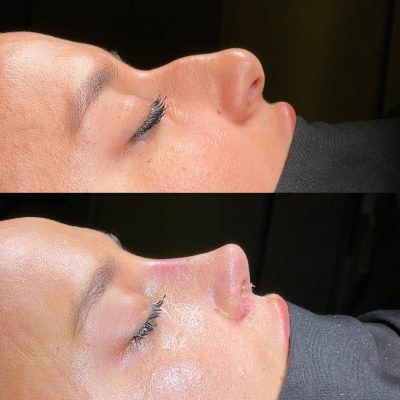
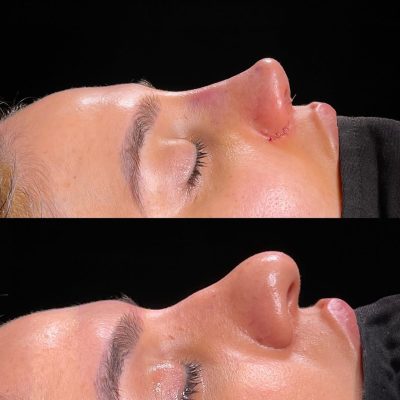
Nasal Tip Surgery (Tipplasty) in Turkey Before & After


When Is Nasal Tip Aesthetics Performed?
Nasal tip aesthetics is a surgical procedure performed to reshape the nasal tip for both aesthetic and functional reasons. This procedure is applied in patients who want to improve the overall appearance of the nose and correct nasal tip deformities. It can also be preferred to correct structural disorders that cause respiratory problems.
The main reasons for application are:
- Asymmetric nasal tips
- Nasal tips with excessive projection or insufficient projection
- Drooping or weak nasal cartilages
- Lack of defined shape due to thick skin
- Visibility of underlying structures due to thin skin
- Difficulty breathing resulting from nasal tip deformities
- Projection augmentation appropriate to ethnic features
Surgeons use various techniques to balance patients’ facial proportions and correct structural problems in the nasal tip. Personal differences such as thick skin, thin skin, and weak cartilage structures directly affect the approach of the surgery. Especially ethnic factors emphasize that this operation should be individualized. Nasal tip aesthetics can also be applied within the scope of revision rhinoplasty. This procedure is recommended for patients who have previously undergone nasal surgery and encountered undesirable results to correct nasal tip deformities.
Who Is Not Suitable for Nasal Tip Aesthetics?
[arve url=”https://www.youtube.com/watch?v=jZ5PhYR6lCA” /]Nasal tip aesthetics may not be suitable for every patient, and contraindications exist depending on various factors. These contraindications are categorized into general health status, psychological condition, skin structure, and surgical history.
- Uncontrolled diabetes
- Heart disease
- Autoimmune disorders
- Weakened immune system
- Thick skin structure
- Previous nasal surgeries
- Smoking
- Individuals under 18 years old
Individuals with these factors may not be ideal candidates for nasal tip surgery. Especially those with health problems that could negatively affect the postoperative healing process should be carefully evaluated. This procedure is not recommended for individuals who are not psychologically prepared for surgery or who have conditions such as body dysmorphic disorder. Understanding the expectations of the surgical intervention realistically is extremely important for satisfaction with the results.
Additionally, individuals who smoke should quit this habit before surgery because smoking can slow down the healing process and increase the risk of complications. Skin thickness is another important factor in nasal tip surgery; changes made in individuals with excessively thick skin may not be sufficiently noticeable from the outside. Especially those with thick skin may not be completely satisfied with the results of the surgery. Finally, this surgery is generally not recommended in young individuals whose nasal development is not complete until the nasal structure matures.
How Is Nasal Tip Aesthetics Applied?

- Dr. Yunus Kaplan during rhinoplasty surgery in Istanbul, Turkey

Nasal tip aesthetics (tip plasty) is a specialized surgical procedure performed to reshape the nasal tip aesthetically and functionally. This procedure, which can be applied with both open and closed rhinoplasty techniques, generally involves reshaping and strengthening the cartilage tissues in the lower part of the nose. The surgery, adapted according to the patient’s nasal structure and goals, typically includes the following steps:
- Projection of the nasal tip
- Rotation of the nasal tip
- Support of the nasal tip
Surgeons use sutures and grafts to reshape the lower lateral cartilages of the nose and ensure symmetry. The grafts that can be used are:
- Columellar strut graft
- Septal extension graft
- Cartilage grafts
Cartilage grafts are usually taken from the nasal septum, ear, or rib. The aim of the surgical intervention is to increase the stability of the nasal tip and improve the aesthetic appearance. Especially the vertical lobular division (VLD) technique can be used to reduce tip projection and refine the nasal tip. In addition, surgeons use various techniques to prevent overextension or asymmetry of the nasal tip.
In the postoperative period, patients may experience swelling and bruising lasting several weeks. The full healing process may take months, and during this period, nasal splints along with pain-relieving medications are recommended. Points that patients need to pay attention to when returning to daily activities are critical for the healthy progression of healing.
What Are the Side Effects of Nasal Tip Aesthetics?
Nasal tip aesthetics can involve certain side effects and complications both cosmetically and functionally. These complications usually occur in the postoperative period and can affect the patients’ healing process. As with any surgical procedure, there are some risks in nasal tip aesthetics.
- Swelling
- Bruising
- Infection
- Tip asymmetry
- Overrotation of the nasal tip
- Drooping of the nasal tip
- Nasal tip deformities
- Functional problems
- Scarring
- Delayed healing
- Necrosis
- Tissue damage
Although postoperative swelling and bruising are commonly seen, these symptoms are usually temporary and disappear over time. However, in some patients, this process may take longer. Additionally, it may take months or even a year for the final result of the operation to become clear. Serious side effects such as tissue damage, necrosis, and infection are rare but require careful monitoring and care during the treatment process.
Patients who undergo nasal tip aesthetics can minimize the risk of complications by following their surgeons’ recommendations during the healing process. Especially applying cold compresses during recovery and using medications recommended by the doctor can reduce swelling and bruising. In addition, proper support of the nasal valve structure during surgery is important to prevent the emergence of functional problems. Revision surgeries are not uncommon in nasal tip aesthetics and may be necessary for undesirable results.
How Successful Is Nasal Tip Aesthetics?

- 10 days after rhinoplasty surgery

Nasal tip aesthetics is a highly successful surgery in providing aesthetic and functional improvements. Although success rates vary depending on the surgical techniques used, the surgeon’s experience, and the patient’s nasal anatomy, it generally provides satisfaction between 80% and 90%. However, the healing process must be completed for the results to fully emerge because it may take several months for the swelling in the nasal area to completely reduce.
Factors affecting success rates include:
- Surgeon’s expertise
- Patient’s nasal structure
- Techniques used
- Skin thickness
- Previous surgeries
Revision rates usually vary between 5% and 15%. These rates may increase due to the patient’s aesthetic dissatisfaction or complications such as nasal tip ptosis. Technical choices play a critical role in determining the long-term success of the surgery. Advanced methods such as the “Tongue-in-Groove” technique or “Septal Extension Graft” provide longer-lasting stability in the projection and rotation of the nasal tip.
Patient-specific factors greatly affect the outcome of the surgery. For example, patients with weak or short nasal cartilage may be at risk of nasal tip drooping. Such patients may benefit more from stronger structural techniques like cartilage grafting. Additionally, functional improvements provided during rhinoplasty enhance both the patient’s breathing and support aesthetic results.
How to Prepare Before Nasal Tip Aesthetics?
Preparation before nasal tip aesthetics is critically important for achieving a successful result. This process involves a series of steps to be carried out jointly by the surgeon and the patient.
- Evaluation of nasal anatomy
- Setting aesthetic goals
- Reviewing medical history
- Examining allergies and respiratory issues
- Simulation with digital imaging
- Discontinuing medications affecting blood clotting
- Limiting smoking and alcohol use
- Providing fasting instructions to reduce infection risks
- Providing information about the healing process
It is also important for patients to make psychological preparations. They need to be informed about the side effects such as swelling and bruising in the postoperative period, as well as the changes that the healing process will bring. Surgeons should support and inform their patients at every stage of the process. Good communication reduces the patient’s preoperative anxiety and ensures a smoother process. Additionally, it is important for patients to maintain a regular lifestyle, eat healthily, and get adequate rest before surgery. This contributes to being physically and mentally prepared.
How Should Postoperative Care Be After Nasal Tip Aesthetics?
- rhinoplasty tampon removal in Istanbul

Postoperative care after nasal tip aesthetics is critically important for a healthy and successful healing process. The key points to consider after surgery are:
- Applying cold compresses
- Removal of nasal packing
- Cleaning the nose with saline water
- Sleeping with the head elevated
- Avoiding physical activity
- Paying attention to nutrition
- Protecting from sunlight
- Avoiding smoking and alcohol
It is essential to strictly follow the doctor’s instructions during the treatment process after nasal tip aesthetics. Any actions that could damage the nasal structure during the healing process should be avoided, and hygiene rules should be observed. Additionally, it is important for patients to support themselves psychologically. Resting during this process, reducing stress levels, and receiving social support can enhance patients’ overall well-being. Adopting a healthy lifestyle after rhinoplasty will contribute positively to the healing process. Getting enough sleep, drinking plenty of water, and maintaining a balanced diet are important factors that support nasal health. It should be remembered that each individual’s healing process may vary; therefore, appropriate measures should be taken according to personal needs.
How Much Does a Nasal Tip Aesthetics (Tipplasty) Cost in Turkey Compared to the US and UK?
Tipplasty in Turkey typically costs between $6,000 and $7,000, targeting only the nasal tip for refinement, without altering the bridge or structure of the nose. It’s ideal for patients seeking subtle enhancement. In comparison, prices in the United States range from $12,000 to $22,500, and in the United Kingdom from £10,500 to £18,000, positioning Turkey as a leading destination for focused nasal cosmetic procedures.
Frequently Asked Questions
Who is suitable for tip rhinoplasty?
Tip rhinoplasty (tipplasty) is suitable for individuals who want to correct the shape, projection, or rotation of the nasal tip without altering other parts of the nose. Ideal candidates include those with a wide, drooping, or asymmetrical nasal tip or those seeking more definition in the nasal tip. In individuals with thick nasal skin, the results may be less pronounced due to skin thickness affecting the final aesthetic outcome. Candidates should have realistic expectations and be in good general health. A comprehensive consultation with an experienced surgeon is essential to determine suitability.
How long is the recovery time after tip rhinoplasty?
The recovery process after tip rhinoplasty is typically shorter and easier than a full rhinoplasty. Swelling and bruising are most noticeable during the first 1-2 weeks. These symptoms start to diminish by the end of the first week, with significant improvement by the second week. Most people can resume light daily activities after the first week. However, minor swelling may persist for several months, and it can take up to a year for the nasal tip to fully settle into its final shape. Following the surgeon’s postoperative care instructions is crucial to expedite recovery and achieve the desired results.
What techniques are used in tip rhinoplasty?
Tip rhinoplasty employs various techniques to enhance the shape and support of the nasal tip. Common methods include:
- Cephalic resection: Removing a portion of the alar cartilage to reduce tip fullness.
- Suture techniques: Transdomal, interdomal, and lateral crura mattress sutures to reshape and stabilize the nasal tip.
- Grafts: Using columellar strut grafts or septal extension grafts to enhance projection and support.
- Cartilage scoring and morselization: Shaping the alar cartilages.
- Dome or lateral crura modification: Trimming and repositioning these structures to adjust tip contour and rotation.
Is the nasal shape achieved with tip rhinoplasty permanent?
The shape achieved with tip rhinoplasty is generally permanent. The reshaped cartilage and tissues do not revert to their original form. However, factors such as aging, weight changes, and changes in skin elasticity can slightly alter the nasal appearance over time.
Can breathing problems be resolved with tip rhinoplasty?
Tip rhinoplasty primarily focuses on improving the aesthetic appearance of the nasal tip but can also address some nasal structure-related issues. However, it is not usually sufficient to resolve breathing problems. Structural issues such as a deviated septum or narrowed nasal passages may require more extensive surgical procedures like septoplasty. Patients with breathing difficulties should consider additional interventions for proper treatment.
Is tipplasty permanent?
Tipplasty is a surgical procedure performed to reshape the nasal tip and it generally delivers permanent results. Longevity depends on the techniques the surgeon employs, the patient’s skin characteristics and the care taken during recovery. After surgery, the tissues at the tip gradually settle and reach their final form. Although the changes made to the cartilage are permanent, ageing, skin elasticity and external factors can cause minor shifts over time. Being careful after the operation, avoiding trauma and following the surgeon’s advice help the results last longer.
How many days does tipplasty take to heal?
The initial healing phase is completed in roughly 7–10 days. During this period, swelling and mild tenderness at the nasal tip are common. Most patients can return to everyday activities within a few days, but the operated area should still be protected. While the bulk of the swelling subsides in the first few weeks, it can take several months for the nasal tip to settle completely. Adhering to the after‑care routine recommended by the doctor makes recovery smoother and more successful.
How long does tipplasty take to fully heal?
Full recovery after tipplasty varies from person to person but is usually complete within 3–6 months. Noticeable swelling may persist in the first weeks, then gradually diminishes, giving the tip a natural appearance. It can take up to a year for the tissues to stabilise completely and the final aesthetic result to become clear. Treating the nose gently and attending regular follow‑up visits support a healthy healing process.
Can aesthetic surgery be limited to the nasal tip?
Yes, it is possible to operate solely on the nasal tip. Tipplasty refines, lifts or reshapes only the tip without touching the nasal bridge. It is a suitable option for people who do not need major structural changes. In cases where the tip is wide, drooping or asymmetric, subtle adjustments create a nose that better matches facial proportions while preserving the overall nasal shape.
How is a drooping nasal tip corrected?
A drooping nasal tip can be corrected surgically. During tipplasty, the supporting cartilaginous structures are reshaped to achieve a more elevated and balanced form. In some cases, reinforcing the cartilage prevents the tip from falling. Non‑surgical options such as fillers can lift the tip temporarily, but surgery is the most effective method for lasting results. Together with your surgeon, the solution best suited to your nasal anatomy can be determined.
Latest Posts

Female Primary Rhinoplasty Before and After Photos
Dr. Yunus Kaplan - Cases - Female Primary Rhinoplasty Before and After PhotosFemale primary rhinoplasty [...]
Aug
Aquiline Nose Rhinoplasty Before and After
Dr. Yunus Kaplan - Cases - Aquiline Nose Rhinoplasty Before and AfterAquiline nose rhinoplasty is [...]
Aug
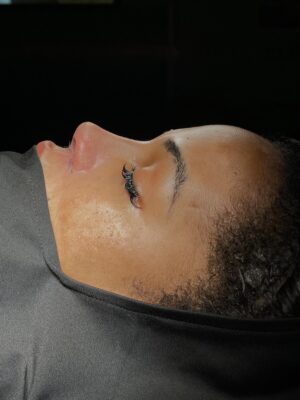
Natural-Looking Rhinoplasty in Turkey from USA
Dr. Yunus Kaplan - Cases - Natural-Looking Rhinoplasty in Turkey from USANatural-looking rhinoplasty is focused [...]
Aug
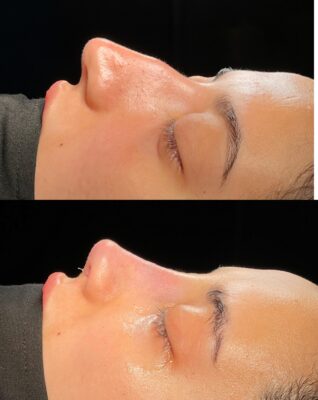
Natural Female Rhinoplasty Before and After
Dr. Yunus Kaplan - Cases - Natural Female Rhinoplasty Before and AfterNatural female rhinoplasty is [...]
Aug

Thick Skin Female Open Rhinoplasty Result
Dr. Yunus Kaplan - Cases - Thick Skin Female Open Rhinoplasty ResultThick skin female rhinoplasty [...]
Aug
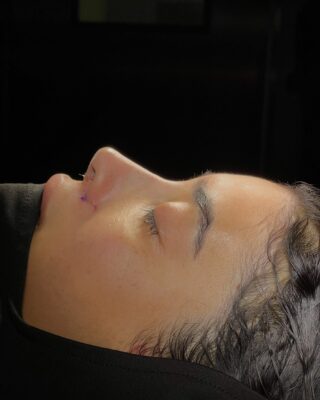
African American Rhinoplasty Before and After
Dr. Yunus Kaplan - Cases - African American Rhinoplasty Before and AfterAfrican American rhinoplasty is [...]
Aug
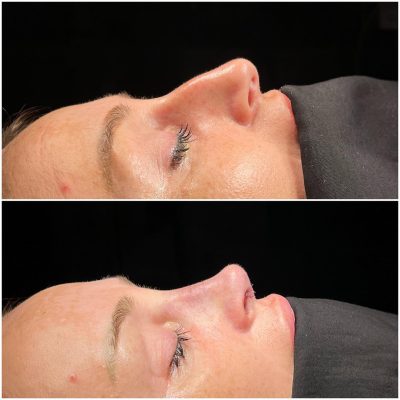
Female Revision Rhinoplasty Before and After
Dr. Yunus Kaplan - Cases - Female Revision Rhinoplasty Before and AfterFemale revision rhinoplasty is [...]
Aug

Female Rhinoplasty Result at 10 Months
Dr. Yunus Kaplan - Cases - Female Rhinoplasty Result at 10 MonthsA female rhinoplasty result [...]
Aug
Our Clinic


