


Curved Nose Rhinoplasty in Turkey
Curved nose rhinoplasty in Turkey is performed to straighten and correct a nose that curves to one side, either due to congenital shape or previous trauma. A crooked nose can disrupt facial symmetry and impair nasal airflow. Dr. Yunus Kaplan in Istanbul uses advanced imaging and surgical planning to restore balance and structure. Through meticulous correction of cartilage and bone alignment, he ensures that each patient achieves a straight, proportionate, and functional nose with long-lasting results.
Anesthesia General Duration 3-4 hours Hospital Stay 1 Day Hotel Stay 7 Days Recovery Time 6-12 months Back to Work 1 Week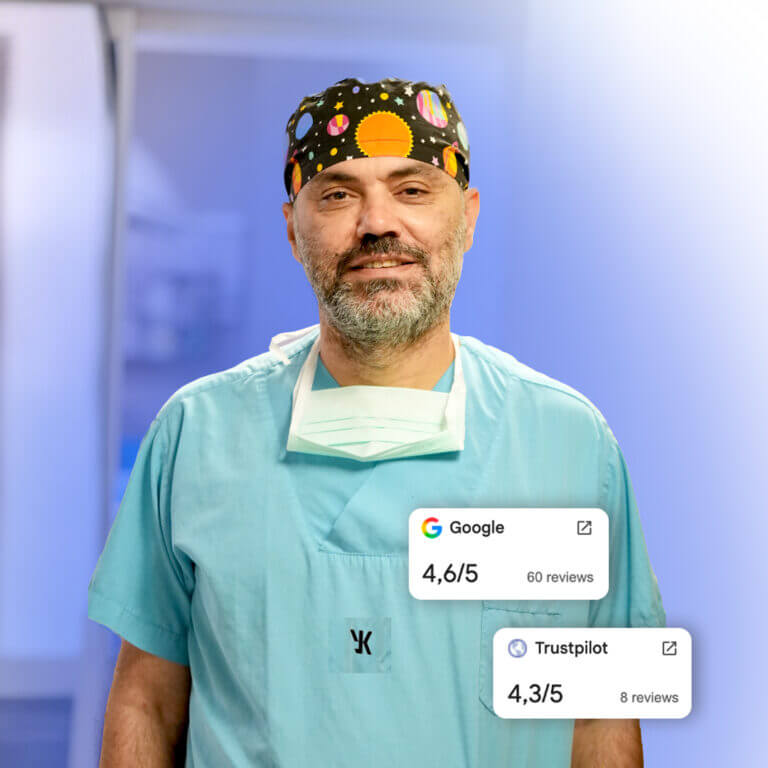
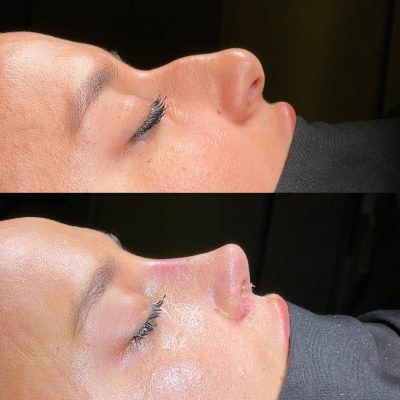
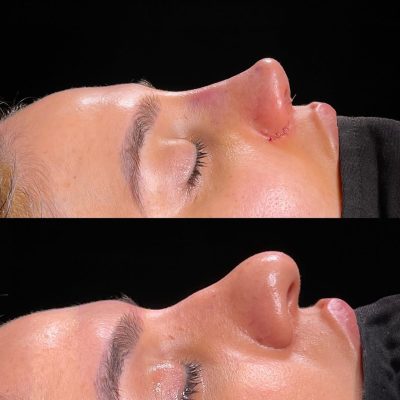
Case Studies
Overview of Curved Nose Rhinoplasty in Turkey




What Is Curved Nose Rhinoplasty?
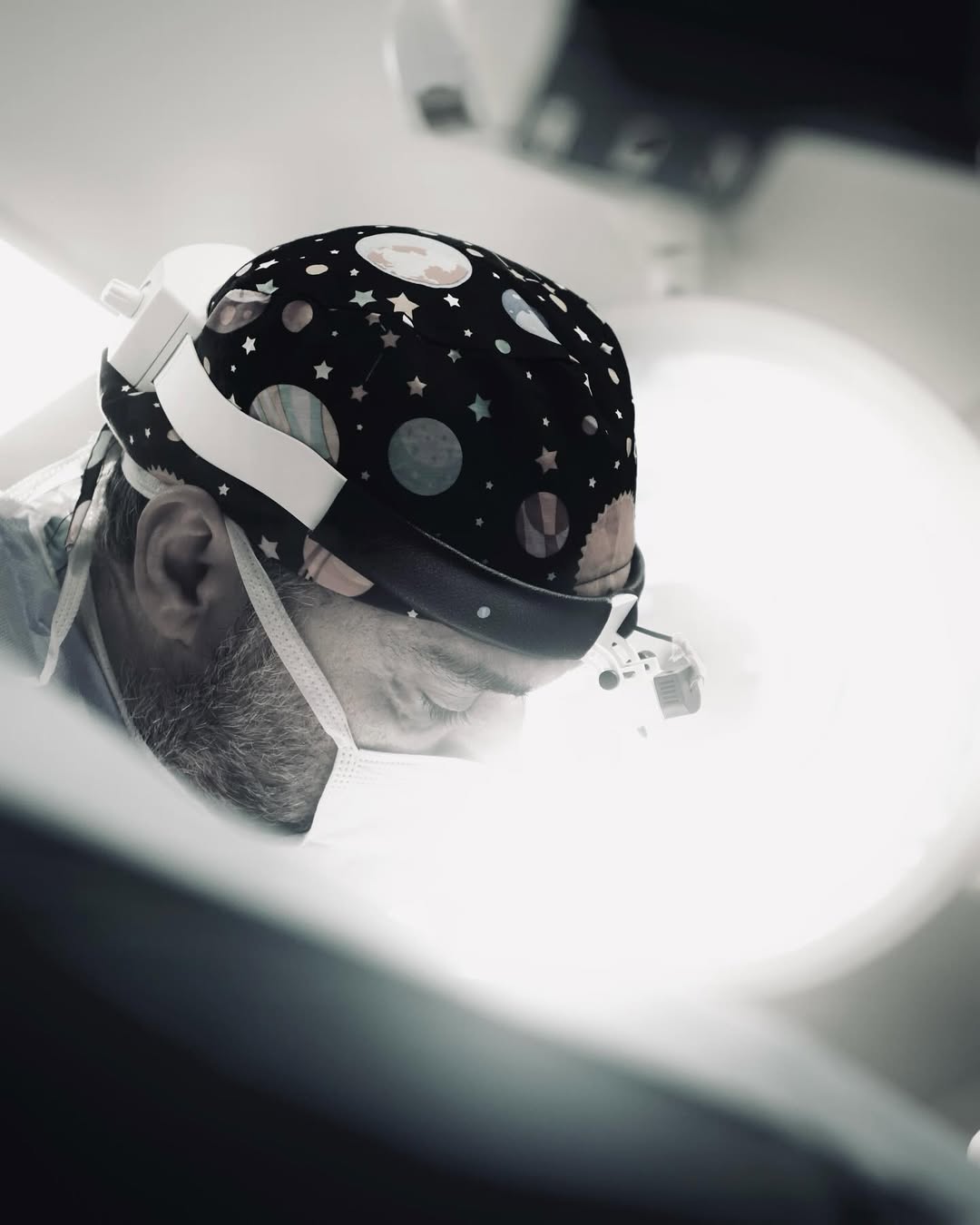
Curved nose rhinoplasty is a surgical procedure applied to correct deformities such as humps or curvature in the nose. This operation aims to improve both the appearance of the nose and ease breathing. Preferred for aesthetic and functional reasons, this surgery provides a more symmetrical and natural appearance by making changes in the nasal cartilage and bone structure. Modern rhinoplasty techniques have developed since the 1980s, allowing surgeons to achieve more precise results. Curved nose rhinoplasty is usually performed under general anesthesia and is carried out with personalized planning. Although the postoperative recovery process takes several weeks, full results emerge within a year.
How Is Curved Nose Rhinoplasty Performed?
Curved nose rhinoplasty is a surgical intervention performed to correct the hump structure in the nose. During this surgery, surgeons aim to improve both the aesthetic appearance and functional structure of the nose. The cartilage and bone structure of the nose are reshaped during the operation, and various techniques are generally used. The main methods applied in hump nose surgery are:
- Cartilage incision
- Bone rasping
- Adding cartilage grafts
- Crural overlap
With these techniques, surgeons correct the cartilage and bone structure of the nose, thus resolving breathing problems and achieving a more balanced appearance. Although the recovery process varies from person to person, it generally takes several weeks, and it is important to follow the surgeon’s recommendations to prevent postoperative complications.
Curved Nose Rhinoplasty in Turkey Before & After


When Is Curved Nose Rhinoplasty Performed?
Curved nose rhinoplasty is preferred to alleviate a person’s breathing problems and improve the appearance of the nose. It is especially performed due to reasons such as septal deviation, congenital deformities, nasal deformities after trauma, or unsuccessful results of previous nose surgeries. The surgery aims to increase the person’s quality of life by solving both the functional and aesthetic problems of the nose. Both open and closed rhinoplasty techniques can be used for curved nose rhinoplasty, which varies depending on the condition of the nose and the severity of the curvature.
- Septal deviation
- Post-traumatic deformities
- Congenital nasal abnormalities
- Failed previous surgeries
The techniques used during these surgeries include bone correction procedures (osteotomy) and applications that eliminate cartilage incompatibilities. After the operation, a long-term result is aimed by considering both the patient’s aesthetic satisfaction and improvements in respiratory functions.
Who Is Not Suitable for Curved Nose Rhinoplasty?
[arve url=”https://www.youtube.com/watch?v=jZ5PhYR6lCA” /]Curved nose rhinoplasty is not a suitable procedure for everyone. There are some factors to consider before undergoing this surgery. In particular, certain medical and age-related conditions can make this surgical intervention risky. Individuals who are not suitable for surgery may face serious complications due to these risks.
Those not suitable for surgery:
- Individuals under 18 years old
- Patients with poorly controlled diabetes
- Those with chronic cardiovascular disease
- Individuals with chronic respiratory disorders
- Those with blood clotting disorders
- Users of anticoagulant medications
- Active smokers
- Those with drug or substance addiction
- Those with excessive scarring after previous nose surgery
- Individuals with acute sinus or respiratory infections
- Those experiencing active inflammation in the nasal area
- Individuals with unrealistic aesthetic expectations
- Psychologically unstable individuals
Since curved nose rhinoplasty is performed for both aesthetic and functional purposes, the individuals undergoing this operation need to have suitable physical and psychological health conditions. Surgeons determine whether this surgery is appropriate by carefully evaluating the patient’s general health status and expectations. The preoperative preparation process is of great importance to achieve a good result. Additionally, quitting smoking and adopting healthy lifestyle habits can positively affect the recovery process for individuals undergoing this surgery.
How Is Curved Nose Rhinoplasty Applied?

Curved nose rhinoplasty is a surgical procedure performed to eliminate structural and aesthetic problems in the nose. A crooked or deviated nose is usually corrected with procedures called rhinoplasty or septorhinoplasty. The surgeon makes various interventions on the cartilage and bone tissues to correct the nasal structure. The surgery generally includes the following steps:
- Medical history evaluation
- Physical examination of the nose
- Taking photographs for reference
- Administration of general or local anesthesia
- Reshaping the bone and cartilage of the nose
- Correcting internal structure with septoplasty if necessary
- Using tampons and splints after surgery
The surgical procedure can be performed using open or closed rhinoplasty techniques. In the closed technique, incisions are made inside the nostrils, while in the open technique, a small incision is added to the base of the nose. The bone structure of the nose is carefully realigned, and if there is a septal deviation that makes breathing difficult, it is also corrected with septoplasty. Patients may experience swelling, bruising, and nasal congestion for a certain period after surgery. The recovery process after rhinoplasty varies from person to person, but it may take several months to see full results.
After surgery, patients are advised to be careful and take measures to accelerate the recovery process. Avoiding any impact on the nose, refraining from heavy lifting, and not putting pressure on the nostrils for the specified period are important during this process. It may take up to a year for the full results to emerge.
What Are the Side Effects of Curved Nose Rhinoplasty?
While curved nose rhinoplasty can offer both aesthetic and functional benefits, it can cause various side effects and complications. These side effects can vary depending on the scope of the surgery, the patient’s general health status, and postoperative care. Side effects can be mild, or there may be situations requiring serious interventions.
Possible side effects include:
- Bleeding
- Septal perforation
- Breathing difficulties
- Changes in sense of smell or taste
- Skin discoloration
- Infection
- Scar formation
Bleeding is one of the most common issues after surgery and, although usually mild, may require additional medical intervention if bleeding cannot be stopped in some cases. Septal perforation can lead to a hole in the nasal septum, which may necessitate additional surgery depending on its size. Especially in individuals who have had nasal fillers or previous nose surgeries, the risk of skin discoloration and necrosis may increase. Additionally, changes in the sense of smell and taste, though rare, can occur and may last up to a year, although this condition is often temporary.
There is also the possibility of requiring revision surgery in curved nose rhinoplasty. Due to unsatisfactory aesthetic or functional results, 5% to 30% of patients may request additional surgery. Being aware of these risks allows for better management of the surgical process outcomes.
How Successful Is Curved Nose Rhinoplasty?
Curved nose rhinoplasty offers highly variable results in terms of success rates. The success of the surgery depends on the surgical techniques used and the complexity of the patient’s nasal structure. In general, the success of aesthetic and functional corrections in rhinoplasty surgeries ranges between 43% and 96.8%. Certain techniques, especially methods like Nasal Axis Lateralization Suture (NALS), have achieved high success rates of around 96.8%.
- Surgical technique used
- Shape of nasal curvature
- Presence of functional problems
The results of the surgery may vary based on individual factors. The presence of functional problems such as nasal congestion can affect the success of the surgery. Additionally, differences in the surgical approach can be decisive in the results to be obtained after surgery. Since the full recovery process can take up to a year, it is important to be patient.
How to Prepare Before Curved Nose Rhinoplasty?
The preparation phase for curved nose rhinoplasty is critical to achieving a successful outcome. There are some important points to consider before surgery.
- Determining goals with consultation
- Discontinuing blood-thinning medications
- Fasting for general anesthesia
- Avoiding smoking and alcohol
- Arranging transportation and care
- Mental preparation
It is extremely important for the patient to have a detailed discussion with the surgeon, carefully follow preoperative instructions, and make necessary arrangements. Additionally, preparing a comfortable environment for the postoperative period and seeking support when necessary is essential for an appropriate recovery process. This process will have a positive impact on the patient’s overall health and aesthetic results.
How Should Postoperative Care Be After Curved Nose Rhinoplasty?
Postoperative care after curved nose rhinoplasty is necessary for the healthy progression of the healing process. There are some fundamental points to pay attention to during this period.
- Protecting the splint and dressing
- Applying cold compresses
- Using prescribed pain relievers
- Avoiding blowing the nose
- Using ointment for wound care
- Elevating the head position
- Avoiding strenuous activities
- Avoiding glasses
- Consuming soft foods
- Staying away from smoking and alcohol
- Scheduling regular follow-up appointments
These items help the patient’s recovery process to proceed in the best possible way. Additionally, receiving psychological support after nose surgery may also be important. Patients may experience emotional fluctuations during the process of adapting to their new appearance. Therefore, support from family and friends contributes to making this period more comfortable. At the end of the recovery process, the patient is expected to feel better both physically and psychologically. Since each individual’s recovery process may vary, it is important to be patient and follow the doctor’s recommendations.
How Much Does a Curved Nose Rhinoplasty Cost in Turkey Compared to the US and UK?
Curved nose rhinoplasty in Turkey typically costs $6,000 to $7,000 and focuses on straightening the nasal bridge for a more balanced profile. In the US, this procedure usually ranges from $12,000 to $22,500, while in the UK it can cost between £10,500 and £18,000. Turkey provides an affordable option with advanced surgical techniques.
Frequently Asked Questions
Who is suitable for curved nose rhinoplasty?
Curved nose rhinoplasty is suitable for individuals with I-shaped (34%), C-shaped (28%), reverse C-shaped (21.3%), and S-shaped (16.7%) nasal deformities who have both aesthetic concerns and functional issues such as nasal obstruction. Postoperative outcomes indicate that 90% of patients report good or excellent results in appearance and breathing. The most commonly used surgical techniques include bilateral lateral osteotomy (86.6%) and symmetrical spreader grafts (56%). Ideal candidates are those in good general health, with realistic expectations, and who experience physical or psychological discomfort due to nasal deformities. A detailed consultation with an expert surgeon is essential to assess suitability and discuss potential risks and benefits.
What corrections are made during surgery?
Curved nose rhinoplasty involves correcting the nasal bone and septum. This includes aligning the septum through septoplasty, repositioning the nasal bones via osteotomy, and supporting nasal structures with cartilage grafts. The techniques used depend on the individual’s nasal anatomy and the degree of curvature.
Is the nasal structure permanent after curved nose rhinoplasty?
While curved nose rhinoplasty (rhinoplasty) is an effective surgical method for correcting nasal shape, permanent correction cannot always be guaranteed. Post-surgery, the nose may re-curve, and swelling during the healing process can affect the final nasal shape. Complete symmetry may not always be achievable due to the complexity of nasal structures and changes during healing. However, rhinoplasty performed with appropriate techniques generally provides long-lasting correction.
Are there risks of complications after surgery?
The risk of serious complications after curved nose rhinoplasty is approximately 0.7%. Complications such as hematoma and infection occur at a rate of about 0.2%. For patients over 40, the risk of complications doubles, and combining rhinoplasty with other surgical procedures can increase the complication rate to over 2%. Functional issues such as nasal obstruction are common, and while this surgery aims to improve both function and aesthetics, achieving successful outcomes requires careful surgical techniques and thorough preoperative assessment.
Can breathing problems also be resolved during this surgery?
Yes, breathing problems are often addressed during curved nose rhinoplasty. This procedure can help correct structural issues inside the nose, such as a deviated septum, which can obstruct airflow and make breathing difficult. Studies show that 90% of patients report significant improvement in both breathing function and aesthetic appearance following rhinoplasty.
Who does a curved nose suit?
Latest Posts

Female Primary Rhinoplasty Before and After Photos
Dr. Yunus Kaplan - Cases - Female Primary Rhinoplasty Before and After PhotosFemale primary rhinoplasty [...]
Aug
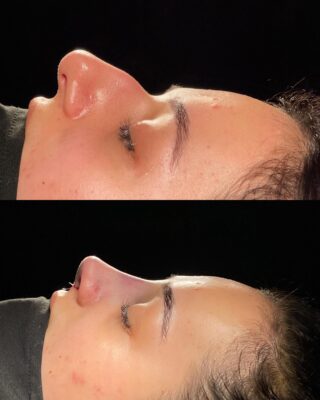
Aquiline Nose Rhinoplasty Before and After
Dr. Yunus Kaplan - Cases - Aquiline Nose Rhinoplasty Before and AfterAquiline nose rhinoplasty is [...]
Aug
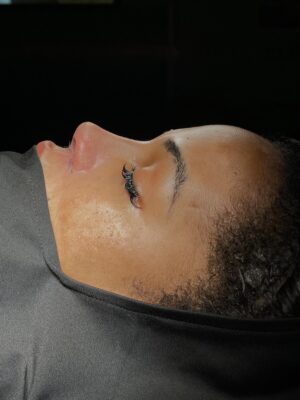
Natural-Looking Rhinoplasty in Turkey from USA
Dr. Yunus Kaplan - Cases - Natural-Looking Rhinoplasty in Turkey from USANatural-looking rhinoplasty is focused [...]
Aug
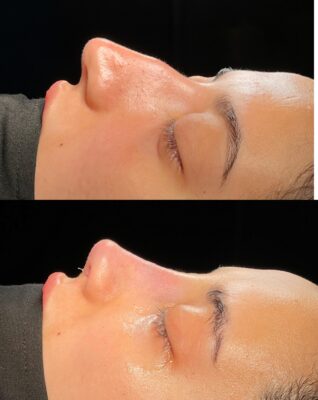
Natural Female Rhinoplasty Before and After
Dr. Yunus Kaplan - Cases - Natural Female Rhinoplasty Before and AfterNatural female rhinoplasty is [...]
Aug

Thick Skin Female Open Rhinoplasty Result
Dr. Yunus Kaplan - Cases - Thick Skin Female Open Rhinoplasty ResultThick skin female rhinoplasty [...]
Aug
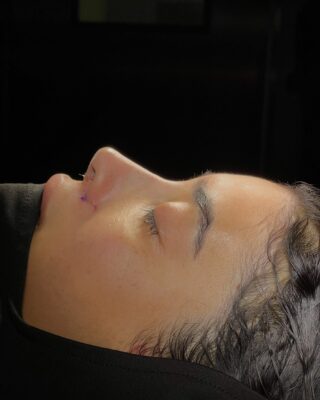
African American Rhinoplasty Before and After
Dr. Yunus Kaplan - Cases - African American Rhinoplasty Before and AfterAfrican American rhinoplasty is [...]
Aug
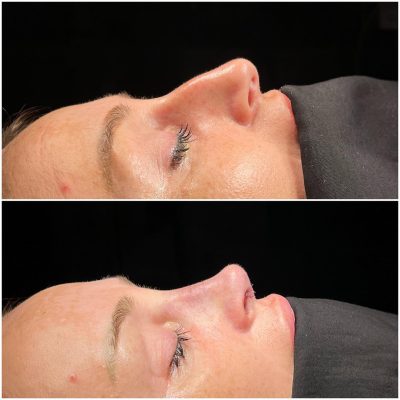
Female Revision Rhinoplasty Before and After
Dr. Yunus Kaplan - Cases - Female Revision Rhinoplasty Before and AfterFemale revision rhinoplasty is [...]
Aug

Female Rhinoplasty Result at 10 Months
Dr. Yunus Kaplan - Cases - Female Rhinoplasty Result at 10 MonthsA female rhinoplasty result [...]
Aug
Our Clinic


