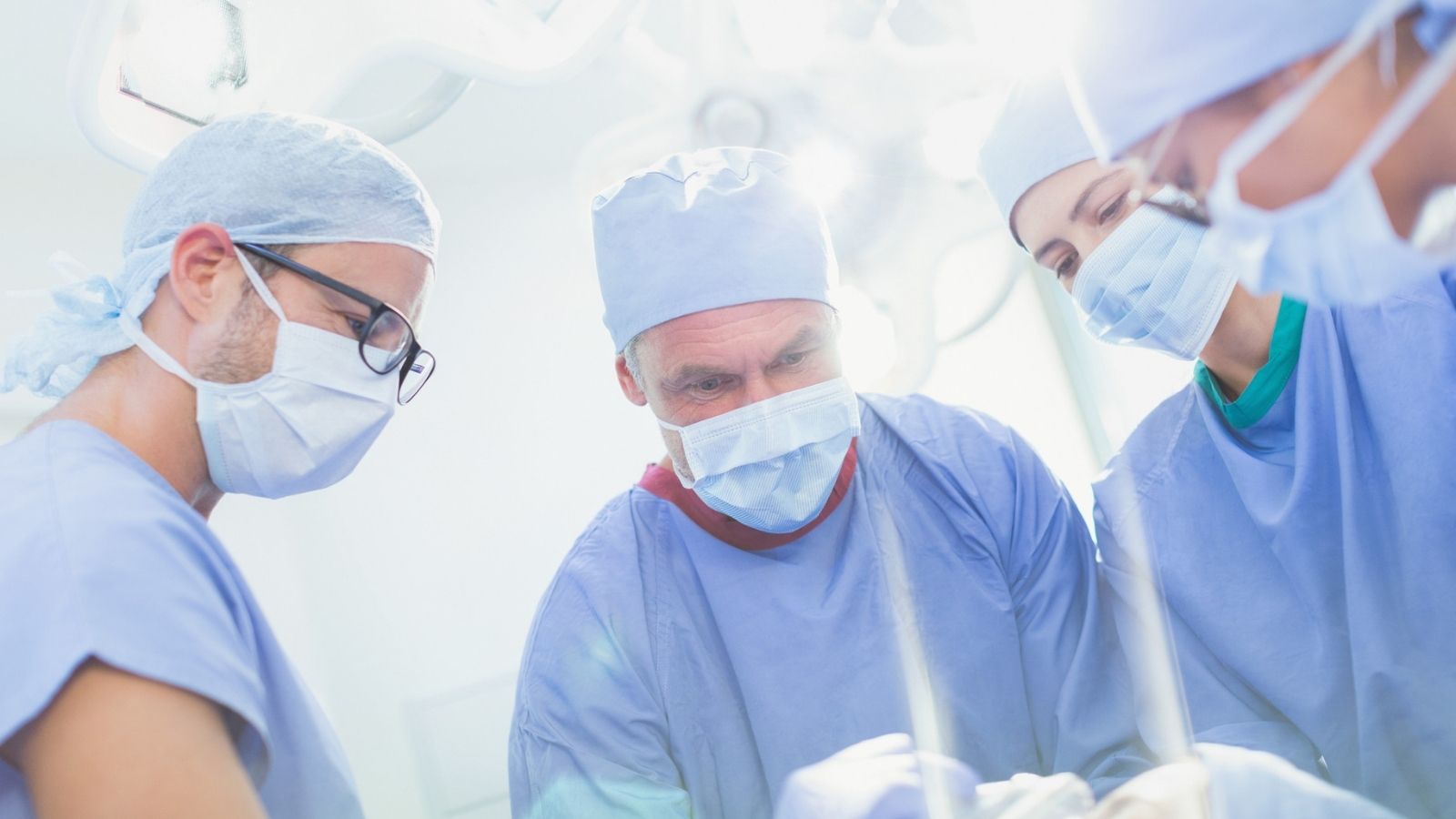
Doctor recommendations before and after rhinoplasty are critically important both for the success of the operation and for ensuring a smooth recovery process. Evaluation of surgical suitability, pre-operative preparation, and post-operative care are the main stages of this process.
Before the surgery, smoking and alcohol consumption should be reduced, blood-thinning medications should be discontinued, and attention should be paid to nutrition. These preparations reduce anesthesia risks and accelerate post-operative recovery.
Post-rhinoplasty care recommendations include applying cold compresses to the nose area, keeping the head elevated, and avoiding sudden movements. These recommendations help reduce swelling and bruising.
Regular use of the medications prescribed by the doctor and full participation in follow-up appointments reduce the risk of infection and accelerate the healing process. In addition, the medical tapes provided should be used for the specified period to ensure the nose shape becomes permanent.
Realistic Expectations Before Deciding on Surgery
One of the topics doctors emphasize most before rhinoplasty is expectations. Most patients wonder how the aesthetic change will affect their facial expression. The shape of the nose is evaluated in harmony with the entire face and is not considered independently. Therefore, instead of the concept of an “ideal nose,” a nose suitable for facial proportions is targeted.
Doctors may allow patients to get an idea through photographs or digital simulations. However, it is clearly stated that these visuals are estimations and do not mean exact results. During the pre-rhinoplasty period, it is important to clearly discuss the limits of the surgery and the possible changes.

Health Evaluation Before Rhinoplasty
A detailed health evaluation is performed before the surgery. This evaluation includes not only the nasal structure but also the general health condition. Previous surgeries, regularly used medications, and chronic illnesses must be reported to the doctor.
Especially blood-thinning medications, herbal supplements, and some vitamins may pose risks before surgery. Doctors generally recommend discontinuing such products for a certain period beforehand. Since smoking may also affect the healing process, special warnings are given for the periods before and after surgery.
Points to Consider in the Days Before Surgery
In the final days before rhinoplasty, patients are expected to pay attention to their lifestyle routine. Adequate sleep, balanced nutrition, and avoiding the risk of infection are among the prominent topics during this period. If there are symptoms of a cold or upper respiratory tract infection, the doctor should definitely be informed.
Patients are generally asked to arrive fasting on the day of surgery. This is an important detail for anesthesia safety. Following the instructions given by the doctor and the anesthesia team exactly contributes to the smooth progress of the process.
How Do the First Days After Rhinoplasty Pass?
The period after rhinoplasty means an adaptation process for patients both physically and psychologically. In the first days after surgery, swelling and bruising may be seen around the nose. This is considered the body’s natural healing response.
Doctors generally recommend keeping the head slightly elevated and performing cold applications in a controlled manner. Pain perception may vary from person to person; it is important to use the prescribed medications as instructed by the doctor. Avoiding impacts to the nose is among the basic recommendations during this period.
Splint, Tampon, and Bandage Process
The splints, tampons, or bandages used after rhinoplasty are among the topics patients are most curious about. These materials help protect the new shape of the nose. The duration and method of use may vary depending on the extent of the procedure performed.
Doctors provide detailed information about intranasal cleaning and care during this period. It is especially emphasized that patients should not intervene on their own. During follow-up appointments, it is planned when and how these materials will be removed.
Returning to Daily Life and Physical Activities
The process of returning to daily life after rhinoplasty requires patience. In the first weeks, it is recommended to avoid heavy exercise, sudden movements, and activities performed by bending over. The use of glasses may be restricted for the period specified by the doctor, as they may put pressure on the nose.
The time required to return to work varies depending on the extent of the surgery and the person’s working conditions. While this period may be shorter for desk jobs, a longer rest period may be required for jobs requiring physical effort.
Being Patient During the Healing Process
Recovery after rhinoplasty is not limited to just a few weeks. It may take months for the nose to reach its final shape. Especially the reduction of swelling at the nasal tip takes time. During this process, patients are advised not to evaluate the changes in the mirror day by day.
Doctors state that the healing process progresses individually and that making comparisons may be misleading. Follow-up examinations are important for evaluating whether the process is progressing healthily.
Habits That Should Be Avoided After Rhinoplasty
During the post-operative period, some habits may need to be changed temporarily. Behaviors such as blowing the nose, harsh facial cleansing movements, or picking inside the nose are recommended to be avoided. Prolonged exposure to sunlight should also be approached carefully, as it may increase swelling.
The nutritional routine indirectly affects the healing process. Adequate fluid intake and balanced nutrition support the body’s recovery. It is especially emphasized that products not recommended by the doctor should not be used.
The Importance of Doctor Check-Ups
One of the most important topics regarding doctor recommendations before and after rhinoplasty is regular check-ups. These check-ups are important both for monitoring the healing process and for the early detection of possible problems. Patients are advised to share every detail on their minds during these appointments.
As a result, rhinoplasty is a process not limited only to the day of surgery. The preparations made beforehand and compliance with the doctor’s recommendations afterward contribute to a healthier process. Every patient’s experience is different, and the most accurate approach is determined through personalized evaluation. Therefore, obtaining expert opinion should always remain a priority from the decision stage to the end of the recovery process.

Op. Dr. Yunus Kaplan is a ENT surgeon with over 15 years of experience specializing in facial aesthetics and rhinoplasty in Istanbul, Turkey. A graduate of Gaziantep University Faculty of Medicine, he completed his ENT specialization at the same institution in 2009 and has since practiced in several prominent private hospitals before founding his own clinic in 2016. Dr. Kaplan focuses on primary, revision, ethnic, and piezo rhinoplasty procedures, combining precision and natural results. He is an active member of the European Academy of Facial Plastic Surgery (EAFPS), the Turkish Facial Plastic Surgery Society, and the Head and Neck Surgery Society, maintaining high standards of medical ethics, artistry, and patient trust.