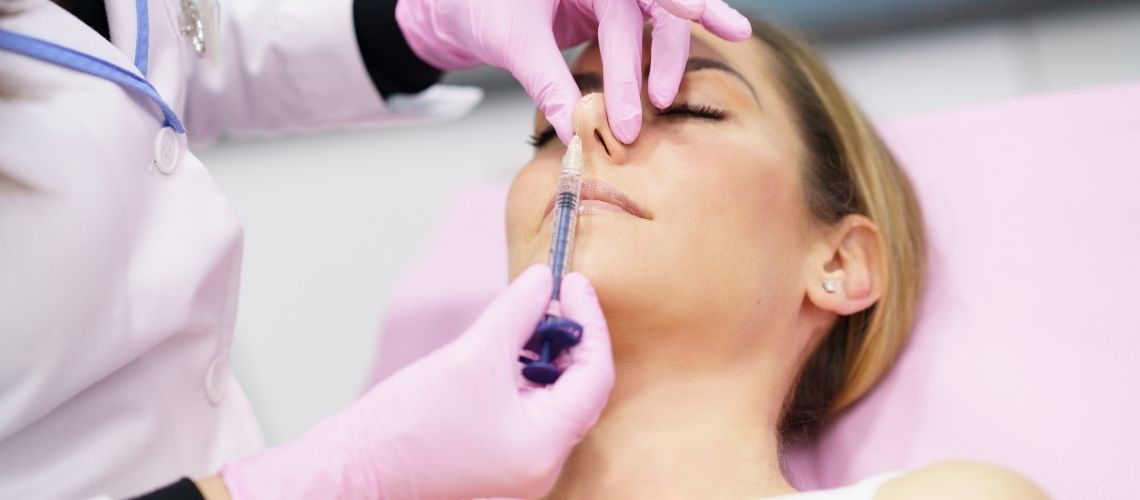
Month-by-month changes after rhinoplasty reflect the gradual healing process. While initial results appear within weeks, the full transformation continues over a year as tissues stabilize and final nasal contours emerge.
During the first month, swelling and bruising are most visible. Patients may experience nasal stiffness, but significant improvement in appearance occurs as early edema resolves. Functional comfort also begins to return in this stage.
By three to six months, nasal definition becomes clearer. The tip refines, swelling decreases, and breathing improves steadily. Subtle adjustments in contour continue, providing a more natural and harmonious appearance with facial features.
At twelve months and beyond, final results are typically visible. Scar tissue softens, nasal shape stabilizes, and both aesthetic and functional improvements are achieved. Consistent follow-up care ensures the best possible outcome after rhinoplasty.
| Period | Changes and Observations |
| 1st Month (First 4 Weeks) | – Swelling and Bruising: During the first week, swelling and bruising around the nose and eyes can be significant, but they reduce considerably by weeks 3-4.
– Nose Shape: The general outline of the nose begins to emerge, but it still appears swollen. – Sensory Loss: There may be numbness around the tip of the nose and surrounding areas. |
| 2nd Month (Weeks 5-8) | – Reduction of Swelling: Swelling in the middle part of the nose decreases, though swelling at the tip may persist.
– Breathing: Breathing becomes more comfortable. – More Natural Appearance: The shape of the nose starts to settle gradually. |
| 3rd-4th Month | – Ongoing Swelling: Swelling in most parts of the nose decreases; however, the tip may still look slightly swollen.
– Tip Contouring: The nose tip begins to appear thinner and more defined. |
| 6th Month | – Most of the Nose Settles: The nose’s overall shape and profile are almost in their final form.
– Tissue Healing: Most of the tissue heals, and the majority of the edema resolves. |
| 12th Month and Beyond | – Complete Healing: All tissues, including the nose tip, heal, and the final shape of the nose emerges.
– Sensory Recovery: Numbness significantly improves, and the skin regains a more natural feeling. |
What Is the Month-by-Month Change After Rhinoplasty?
Rhinoplasty healing is gradual and varies by individual, but typical changes occur in the following stages:
Month 1:
- Major swelling and bruising subside.
- Nasal splint is removed.
- Nose still looks swollen, especially at the tip.
- Breathing may be slightly restricted.
Month 2–3:
- Noticeable reduction in swelling.
- Nasal bridge becomes more defined.
- Tip still mildly swollen.
- Patients often return to full daily activities.
Month 4–6:
- Shape continues to refine.
- Tip begins to shrink and lift.
- Most swelling is gone.
Month 6–12:
- Final results begin to appear.
- Minor swelling may persist, especially in thick skin.
Month 12–18 (if needed):
- Final shape stabilizes.
- Any subtle changes complete.
Each patient heals at their own pace, and full results—especially in the nasal tip—can take up to 18 months.
What Should You Expect in the First Month After Rhinoplasty?
The first month following Rhinoplasty is a critical period in which both physical healing progresses and the new nose shape gradually starts to appear. The changes you will experience during this time are generally predictable, and if you follow your surgeon’s recommendations, recovery usually proceeds smoothly.
The first week can be the most challenging. Swelling and bruising may be intense, especially around the nose and eyes. Applying cold compresses during the first 48-72 hours and sleeping with your head elevated can help alleviate these symptoms. Nasal congestion and slight bloody discharge are also common. Nasal sprays help keep the inside of the nose moist and support the healing process. Pain is usually manageable with prescribed painkillers. During this period, the nasal cast or splint must remain in place, and any physical strain should be avoided.
The second week is when swelling and bruising noticeably decrease, and the surgical changes begin to become more visible. Patients are usually ready to resume light physical activities and return to work. However, the nose is still vulnerable to trauma and should be protected.
By the third and fourth weeks, the shape of the nose becomes clearer, and breathing becomes easier. Although much of the swelling has subsided, complete resolution can take several more months. Moderate exercise can be started, but situations that might injure the nose should be avoided.
How Does Healing Progress During the Second Month After Surgery?
The second month after rhinoplasty marks an important milestone in the recovery process. By this time, most of the swelling and bruising have significantly decreased. In particular, any remaining mild swelling in the bridge and tip of the nose gradually subsides. Patients with thicker skin may notice a slower reduction of swelling, but this is a normal part of the healing phase. The new shape of the nose starts to become more evident during this period, providing motivation as patients see the results of the surgery.
Internal healing also becomes more apparent in the second month. As the internal swelling subsides, nasal breathing improves significantly. However, some patients may still feel slight congestion. This is usually temporary and resolves once the nasal tissues fully stabilize. It’s important to consult your surgeon if nasal congestion or a feeling of tightness persists.
Most patients find it easier to return to their daily routines in this phase. Light exercise is possible, but strenuous activities or contact sports that could injure the nose should still be avoided. Strict adherence to postoperative instructions continues to promote optimal recovery.
Additionally, the softening and maturing of scar tissue contribute to refining the nose’s contours. Following your doctor’s recommended care methods helps accelerate healing.
What Changes Occur in the Third Month Following Rhinoplasty?
The third month after rhinoplasty is a critical stage in the healing process. By this point, most of the postoperative swelling has subsided, though the tip of the nose and surrounding soft tissues may still exhibit edema. Because of its complex structure, the nasal tip is often the last area where swelling fully resolves. Patients notice that the new contours of the nose become more defined during this time, but additional time is needed to reach the final shape.
Functional improvements also become more pronounced in the third month. Patients who underwent additional procedures—such as correcting a deviated septum or reducing enlarged turbinates—may experience a noticeable improvement in breathing. Opening up the nasal passages and improved airflow are supported by the reduced internal swelling. However, remember that full functional recovery can take several more months.
During this period, numbness or decreased sensation in the nasal skin may persist. This happens as part of the healing process of the nerve fibers that were cut during the operation. As nerves regenerate, the return of sensation can manifest as tingling or mild itching, which are temporary sensations.
With the increasingly clearer aesthetic results, patient satisfaction grows. Regular follow-up visits with your surgeon are important to assess your recovery progress and address any concerns.
How Does the Nose Develop Between the Fourth and Sixth Months After Surgery?
The fourth to sixth months following a rhinoplasty represent a crucial phase in the recovery process. During this time, the majority of the postoperative swelling subsides, and the nose moves closer to its final shape. Particularly in areas like the nasal bridge and tip, the contours become more visible, showcasing the aesthetic results of the surgical modifications. In regions with thicker skin such as the nasal tip, swelling can take longer to fully resolve; however, this does not negatively impact the overall aesthetic or functional success of the procedure.
A significant softening process occurs within the nasal tissues during this period. The initial stiffness gives way to a more natural and flexible structure, which indicates that the internal tissues and skin are fully healing. At the same time, issues like numbness and loss of sensation typically begin to improve in these months. As nerve endings regenerate, patients often notice a positive change in how their nose feels.
There is also a marked improvement in nasal function during this stage. Breathing difficulties experienced in the early months usually resolve as internal swelling decreases and the nasal passages heal.
What Developments Can Be Expected Between the Sixth and Ninth Months After Rhinoplasty?
From the sixth to the ninth month after rhinoplasty, healing continues, and the nose advances closer to its final appearance. Most of the swelling has subsided by this point, and the nasal contours become more pronounced. However, mild swelling around the nasal tip may persist, and the resolution of these final traces usually continues for several more months.
Starting around the sixth month, the nasal structures stabilize further. The skin adapts to the underlying bone and cartilage, helping the nose achieve a more natural appearance. Patients often notice that their nose feels sturdier, more secure, and aesthetically refined during this time. Small irregularities in the skin also diminish, resulting in a smoother nasal surface.
Sensory changes, such as numbness or altered sensation, improve as nerve endings continue to heal. By the sixth month, a significant portion of normal sensation is expected to have returned, with further recovery occurring up to the ninth month.
Patience and realistic expectations are key throughout this phase. Minor refinements and subtle adjustments continue, and follow-up appointments with the surgeon play a critical role in monitoring healing progress and addressing any questions.
How Does the Nose Finalize Its Shape One Year After Surgery?
The rhinoplasty recovery process involves not only a successful surgery but also the patient’s patient and informed approach. After surgery, the body initiates complex biological processes such as tissue reshaping and scar formation. During the first few weeks, swelling and bruising may be prominent, but these gradually decrease, revealing a clearer nose. The first few months are especially important for reducing inflammation and remodeling scar tissue. During this time, the nose’s shape slowly settles, and the results of the surgical intervention become more pronounced.
The surgical techniques used can significantly impact the thickness of the nasal skin and the patient’s individual healing dynamics. For example, techniques like protective rhinoplasty aim to preserve the nose’s natural lines and speed up healing, while open rhinoplasty procedures require more careful attention to tissue sensitivity. Patients with thinner nasal skin may experience faster healing, while those with thicker skin may have a slightly longer recovery process.
By the end of one year, the nose reaches its best state both aesthetically and functionally. Complete resolution of swelling, the maturation of scar tissue, and adaptation to the nose’s natural contours mark the final stages of this process.
Frequently Asked Questions
What changes occur in the first month after rhinoplasty?
Swelling, bruising, and slight asymmetry are normal in the first month. The shape of the nose is not yet settled, but swelling gradually decreases, and breathing usually begins to improve.
How does the nose look in the second month after rhinoplasty?
By the second month, bruising has completely disappeared, and swelling continues to decrease. The nasal contours start to become more defined, although it is still too early to see the final result.
What changes occur in the third month after rhinoplasty?
By the third month, most of the swelling subsides, and the nose appears more natural. The tip and bridge of the nose begin to take shape, although the healing process is still ongoing.
What can be expected by the sixth month after rhinoplasty?
At the sixth month, the nasal contours become more defined, and most swelling disappears. Noticeable improvements are often recognized by others, although the nasal tip may not yet have reached its final form.
When does the nasal tip begin to take shape after rhinoplasty?
The nasal tip is the slowest to heal. It usually becomes more defined after the sixth month and takes its final form between 12 and 18 months. Patience during this period is important.
What changes occur during the first year after rhinoplasty?
Throughout the first year, swelling gradually decreases, the nasal tip settles, and the nose gains a natural and aesthetic appearance. Complete healing usually takes one year, but in some cases, it may extend up to 18 months.
Does the recovery period after rhinoplasty vary from person to person?
Yes, the healing process differs depending on skin type, surgical technique used, swelling tendency, and individual recovery speed. In patients with thin skin, results may become visible earlier.
When does swelling completely disappear after rhinoplasty?
Most swelling subsides within 3 to 6 months, but minor swelling at the nasal tip can persist for up to a year. During this time, the nose gradually takes on a more natural appearance.
What psychological changes occur during the first year after rhinoplasty?
Impatience, anxiety, and concerns about appearance are common in the early months. However, as the nose settles, self-confidence increases, and psychological relief is achieved.
Why are monthly follow-ups important after rhinoplasty?
Regular follow-ups are essential to ensure proper healing and detect potential problems early. The surgeon’s guidance also increases the success of the treatment.

Op. Dr. Yunus Kaplan is a ENT surgeon with over 15 years of experience specializing in facial aesthetics and rhinoplasty in Istanbul, Turkey. A graduate of Gaziantep University Faculty of Medicine, he completed his ENT specialization at the same institution in 2009 and has since practiced in several prominent private hospitals before founding his own clinic in 2016. Dr. Kaplan focuses on primary, revision, ethnic, and piezo rhinoplasty procedures, combining precision and natural results. He is an active member of the European Academy of Facial Plastic Surgery (EAFPS), the Turkish Facial Plastic Surgery Society, and the Head and Neck Surgery Society, maintaining high standards of medical ethics, artistry, and patient trust.